7 Rare Global Breweries with Iconic Cap Designs

The Belgian Trappist Tradition
Japanese Craft Aesthetics
Classic German Lager Icons
The British Pub Standard
Scandinavian Minimalist Designs
Mexican Folk Art Influence
American Craft Revolution Styles
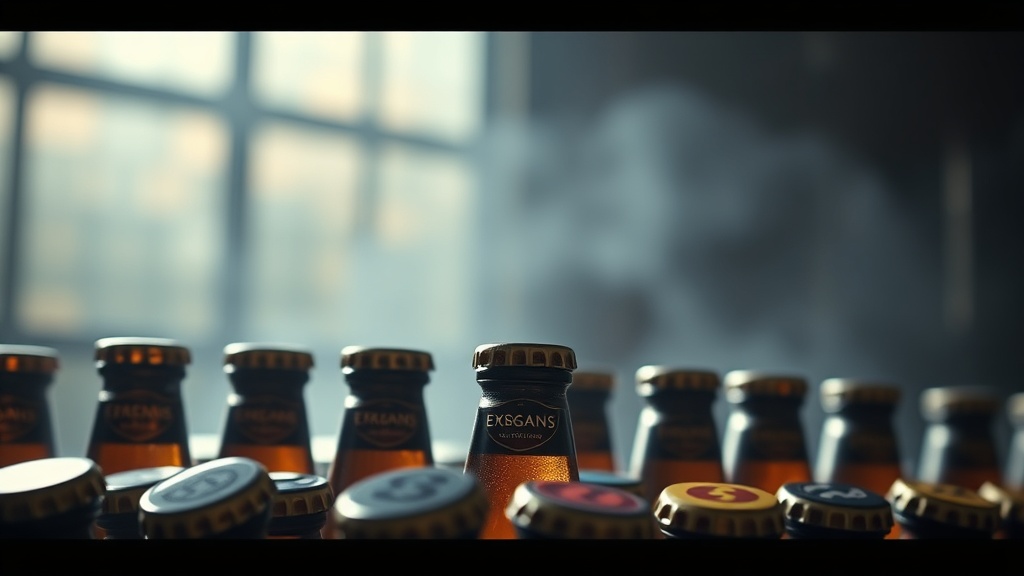
Imagine finding a stray crown cork in a dusty corner of an antique shop. It isn't just a piece of scrap metal; it's a tiny, stamped piece of history. For collectors of bottle caps and small-scale brewery memorabilia, the value lies in the visual identity—the way a specific brewery uses color, embossing, and branding to stand out. This list explores seven global breweries that have produced iconic, highly collectible cap designs that command attention in the collecting community.
A great cap design isn't just about a logo. It's about the quality of the metal, the crispness of the printing, and how well the design captures the spirit of the brand. We're looking at designs that collectors hunt for specifically because of their aesthetic or historical weight.
Why Are Certain Brewery Cap Designs So Rare?
Rarity in bottle cap collecting usually stems from limited production runs, defunct regional breweries, or highly specific commemorative releases. Sometimes, a brewery changes its branding entirely, making the older versions "orphans" in the market. These are the pieces that drive up prices on auction sites.
One major factor is the material. Older caps often used different metal compositions than modern ones. If you're looking to preserve these, you'll want to avoid sunlight damage when displaying colorful caps, as UV rays can fade the ink on these rare finds faster than you'd think.
1. Guinness (Ireland)
You can't talk about iconic branding without mentioning Guinness. Their black-and-gold aesthetic is legendary. While standard Guinness caps are common, the specialized "Stout" designs and limited-edition anniversary caps are the real prizes. The high contrast between the dark pigments and the gold lettering makes these stand out in any collection. They have a certain weight and presence that cheap, modern promotional caps just lack.
2. Peroni (Italy)
Peroni represents the height of European elegance in the beer world. Their caps often feature clean, minimalist lines that reflect Italian design sensibilities. For collectors, the appeal is the consistency of the brand—a crisp, white or gold center with sharp, dark typography. It's a classic look that hasn't aged a day. Finding a vintage Peroni cap with minimal ink wear is a genuine win.
3. Sapporo (Japan)
Sapporo's design is a masterclass in using negative space. The star logo is unmistakable. What makes Sapporo particularly interesting for collectors is the way the Japanese market uses seasonal variations. You might find a standard cap, or you might find a limited-edition design that only appeared during a specific festival or season. These variations are what keep the hunt interesting.
4. Chimay (Belgium)
Trappist ales are a specific category of interest for many, and Chimay is at the top. The branding is deeply tied to the monastery, giving it a sense of authority and history. The caps often feature intricate, almost heraldic designs that feel much more substantial than your average lager cap. They feel "old world" in a way that modern craft-brewed caps rarely do.
5. Sierra Nevada (USA)
While newer than many of the others on this list, Sierra Nevada has built a cult following through its distinct, rugged aesthetic. The design is simple, but it communicates a very specific "outdoorsy" vibe. Collectors often look for the slightly different color iterations used in the early 2000s. It's a great example of how a brand can create a visual language that resonates with a specific lifestyle.
6. Stella Artois (Belgium)
Stella Artois is famous for its "chalice" branding, and that translates beautifully to their bottle caps. The designs are often more ornate, utilizing red and gold hues that feel premium. Because it's a globally recognized brand, you'll find many variations, but the older, more traditional-looking designs are the ones that hold value for those who appreciate the history of European pilsners.
7. Blue Moon (USA/Global)
Blue Moon uses a very specific color palette—lots of oranges and deep blues—that makes their caps pop. The design is whimsical and approachable. It’s a bit of an outlier on this list because it leans more into the "lifestyle" side of branding, but the visual consistency is what makes it a staple for many collectors of colorful, bright-themed caps.
How Much Do Rare Brewery Caps Cost?
The price of a rare brewery cap can range from a few dollars to several hundred dollars depending on the specific era, condition, and scarcity. A standard modern cap from a major brand might only be worth its weight in scrap metal, but a vintage, high-quality printed cap from a defunct brewery can be a centerpiece.
When assessing value, look at the "crown" itself. Is the printing crisp? Is there any rust or "zinc rot"? A pristine, unblemied cap from a defunct brewery is worth significantly more than a weathered one. Collectors often use a grading scale similar to coin collectors to determine a fair price.
| Cap Type | Typical Condition | Estimated Value (USD) | Primary Appeal |
|---|---|---|---|
| Standard Modern Beer Cap | Used/Standard | $0.50 - $2.00 | Commonality |
| Vintage Regional (Defunct) | Excellent/Unopened | $15.00 - $50.00 | Historical Scarcity |
| Limited Edition/Anniversary | Mint/New | $25.00 - $100.00+ | Design Uniqueness |
| Trappist/Monastic Styles | High-Quality Metal | $10.00 - $40.00 | Aesthetic/Heritage |
It's worth noting that "value" is subjective. What one person sees as a piece of trash, another sees as a piece of a puzzle. If you're just starting, don't feel the need to jump straight into the high-end stuff. Build a foundation first.
If you're looking to organize these finds, you might want to look into setting up a professional grade display for metal bottle caps. It makes a huge difference in how you perceive your collection's growth.
What Makes a Cap "Iconic" for Collectors?
An iconic cap is defined by its ability to be recognized instantly without reading the text. It's the shape of the logo, the specific shade of a color, or the way the metal is embossed. For many, it's the "soul" of the brand captured in a tiny, circular piece of metal.
There are three main pillars of an iconic design:
- Color Consistency: Does the brand use a signature color that is instantly recognizable? (Think of the specific orange in a Sierra Nevada cap).
- Typography: Is the font unique enough to be a brand identifier?
- Embossing: Does the cap have a tactile quality, such as raised lettering or a textured background?
Sometimes, the most iconic designs are the ones that are the simplest. A perfectly centered, high-contrast logo on a plain background can often be more striking than a cluttered, busy design. This is why brands like Peroni or Guinness are so successful in the collector's market—they don't try too hard. They just work.
If you find yourself hunting through thrift stores or garage sales, keep an eye out for these patterns. You might find a high-value oddity that others have overlooked. In fact, many people find a lot of luck finding high-value oddities in local thrift stores before they ever hit the major auction sites.
The world of small-scale brewery-related collectibles is wide. Whether you're into the heavy, historical feel of a Belgian Trappist cap or the clean, modern lines of a Japanese import, there is always something new to find. Just keep your eyes peeled for those unique-looking crowns—they're usually the ones worth the most.