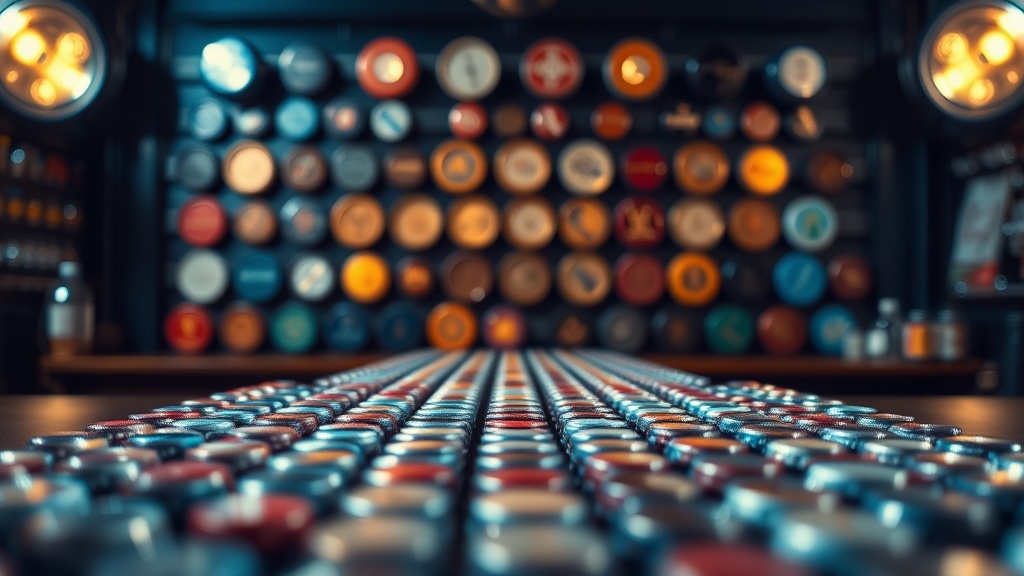
Setting Up a Professional Grade Display for Metal Bottle Caps

Why Most Collections End Up Looking Like Junk Drawers
Many collectors believe that a collection is simply a pile of items that you own. They think that if they have the caps, they have the collection. But there's a massive difference between owning a stack of vintage metal and curated displays that actually showcase the craftsmanship of a bygone era. Without a structured approach to presentation, your most valuable finds—the ones with pristine liners or rare brewery embossing—will end up looking like clutter on a shelf rather than a curated exhibit.
This guide covers the physical mechanics of displaying bottle caps. We'll look at mounting techniques, lighting requirements, and how to prevent the very air from ruining your investment. Whether you're working with a single shadow box or a wall-to-wall installation, the goal is visibility and preservation.
How do I mount bottle caps without damaging the liner?
The biggest mistake people make is using permanent adhesives directly on the metal or the liner. If you glue a cap directly to a backing, you've essentially killed its resale value. You've turned a collectible into a permanent fixture. Instead, you want to use mechanical fastening or removable adhesives.
For a professional look, consider these three methods:
- The Shadow Box Method: This is the gold standard. Use a deep-set frame with a fabric or velvet backing. Instead of glue, use small, clear plastic adhesive dots (the kind used for scrapbooking) to hold the cap in place. This keeps the cap from moving but allows you to remove it without leaving a sticky residue.
- The Wire Stand Approach: If you prefer a 3D look, small wire easels or even bent jewelry wire can hold a cap upright. This is great for individual pieces that you want to highlight on a desk or mantle.
- Magnetic Strips: Since most vintage caps are steel-based, a thin magnetic strip hidden behind a decorative board can hold them in place. It’s a clever trick—it keeps the caps secure without any visible hardware.
Remember, the goal is to make the cap look like it's floating or standing on its own. If you can see the glue, you've failed the aesthetic test.
What lighting works best for metal and paper collectibles?
Light is the enemy of any collector. It's not just about heat; it's about the actual photons breaking down the chemical bonds in the ink and the paper liners. If you've spent months hunting for a specific neon-colored soda cap, the last thing you want is for it to fade into a dull pastel because of your lighting setup.
When setting up your display, avoid direct sunlight at all costs. Even in a controlled room, a window facing west can ruin a collection in a single summer. If you're using artificial light, keep these rules in mind:
- Use LED Bulbs: Traditional incandescent bulbs emit heat and UV radiation. LEDs are much cooler and, more importantly, they don't emit the UV rays that cause rapid pigment degradation.
- Indirect Lighting: Instead of a spotlight pointed directly at a cap, try "grazing" light. This is when the light hits the edge of the display, creating a soft glow that highlights the texture of the metal without hitting the center of the graphic directly.
- Distance Matters: The closer the light source, the higher the heat concentration. Keep your light fixtures at least 12 inches away from your display cases.
If you want to see more about the chemical properties of light and aging, the