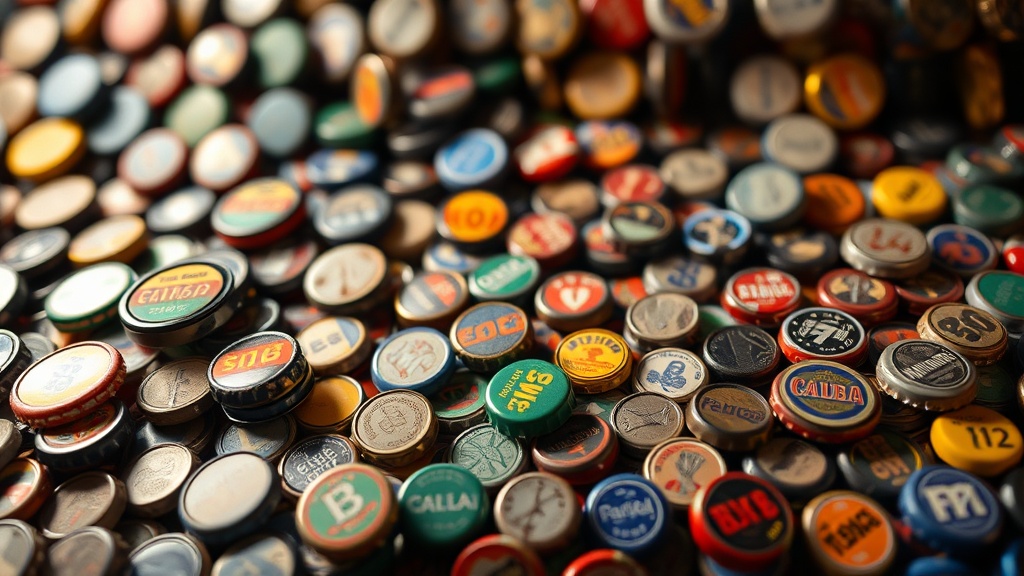
Systematizing Your Bottle Cap Collection: Effective Cataloging and Storage Methods

Why is a good catalog important for your bottle cap collection?
Building a bottle cap collection brings immense satisfaction, but without a robust system for cataloging and organization, that satisfaction can quickly turn into frustration. This guide will walk you through practical strategies to meticulously document your caps and arrange them in a way that protects your investment, enhances your enjoyment, and makes sharing your passion with others straightforward. A well-maintained catalog isn't just about knowing what you own; it's about understanding the provenance of each piece, tracking its condition over time, and even identifying gaps in your collection that might guide your next hunt.
Think of your catalog as the intellectual backbone of your physical collection. It enables you to recall details about a specific cap—where you found it, its estimated age, or any unique characteristics—without having to physically locate and examine it. This becomes incredibly useful when discussing your collection with fellow enthusiasts, managing insurance records, or simply reflecting on your collecting journey. Beyond that, an organized collection is a preserved collection; knowing exactly what you have and where it lives helps prevent loss, damage, or neglect. It's the difference between a heap of interesting objects and a curated archive.
What are the best methods for digitizing your bottle cap inventory?
Transitioning from mental notes or haphazard spreadsheets to a structured digital catalog might seem daunting, but the benefits far outweigh the initial effort. The goal here is consistency and detail. Start by deciding on your core data points for each cap. Common entries include: manufacturer, brand, design variant, date acquired, acquisition source, condition grade, cost, notes (e.g., 'unique crimp pattern', 'from a limited-edition soda'), and a unique identification number. This ID number is crucial—it acts as a persistent link between your physical cap and its digital record.
Several digital tools can serve as your catalog. For simplicity, a well-structured spreadsheet program like Google Sheets or Microsoft Excel offers flexibility. You can create columns for each data point and even include hyperlinks to photos of the cap. For more advanced collectors, dedicated database software (such as Airtable or even a custom solution using a tool like FileMaker Pro) provides powerful querying, reporting, and relational capabilities. Regardless of the tool, consistency in data entry is paramount. Develop a standardized naming convention for manufacturers and brands to avoid duplicate entries and ensure accurate searching.
High-quality photography is another cornerstone of effective digitization. Take clear, well-lit photos of both the top and underside of each cap. Include a ruler or coin in some shots to provide a sense of scale. Store these images in an organized folder structure on your computer or cloud storage, linking them directly to your catalog entries. This visual record is invaluable for verifying details, sharing with others, and documenting condition. Some collectors even create 360-degree views or detail shots of unique features to fully capture their caps’ intricacies. Consider using a consistent background for your photos to maintain a professional look, making your digital collection easier to browse and more aesthetically pleasing. For guidance on capturing detail, resources like