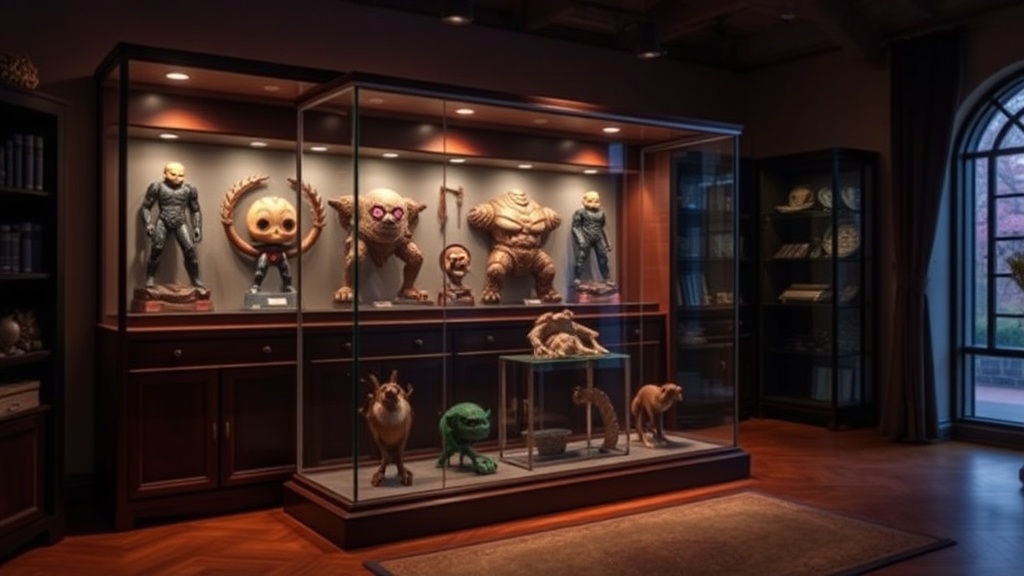
Selecting the Right Display Case for Your Collection

This guide covers the different types of display options available for bottle caps, glass bottles, and small collectibles, helping you decide which material and style best suits your specific collection. Choosing the right housing isn't just about aesthetics; it's about ensuring your items stay visible while remaining protected from dust and physical damage.
When you start collecting, you quickly realize that a pile of caps on a shelf isn't enough. You want them seen. However, not all displays are created equal. If you own a collection of highly sensitive vintage metal caps, a standard open-shelf system might actually do more harm than good by exposing them to settling dust and skin oils. You need a strategy that balances visibility with security.
Which Display Material Works Best for Metal Caps?
Metal bottle caps, especially older ones, are prone to surface scratches and oxidation if handled too often. When choosing a display, the material of the case matters more than you might think. Acrylic (often called Plexiglass) is a popular choice because it's lightweight and virtually shatterproof. It's great for wall-mounted displays where you want a lightweight look. On the other hand, glass is the gold standard for high-end collectors. Glass is more scratch-resistant and provides a clearer view of fine details, but it's much heavier and more fragile.
If you're displaying heavier glass bottles alongside your caps, you'll want to look for solid wood or high-density plastic bases. A flimsy acrylic stand won't hold much weight. If you're building a custom setup, consider the following:
- Acrylic: Best for lightweight wall displays and budget-friendly setups.
- Glass: Inside a wooden frame, glass offers the most professional look for centerpiece bottles.
- Polycarbonate: Extremely tough, though often more expensive, it's great if you have kids or pets around.
Many collectors also use shadow boxes. These are fantastic for creating depth. Instead of just a flat surface, a shadow box allows you to layer your caps or even include small bottle-related memorabilia like vintage openers or labels. Just ensure the depth of the box is sufficient so your items aren't pressing against the front cover.
How Do I Organize My Collection for Maximum Visibility?
Organization is where a collection turns into an exhibition. If you just throw everything into a case, it looks cluttered and chaotic. To make your collection easy to browse, you should group items by a specific logic. For bottle cap collectors, this might mean grouping by era, brewery, or even color. If you're displaying a mix of bottles and caps, you'll need to create levels.
Using tiered risers is a smart way to ensure the items in the back aren't hidden by the items in the front. You can use small acrylic steps to create a stadium-style arrangement. This is particularly useful for bottle collections where the height of the bottle might block the view of a cap behind it. A well-organized display follows a hierarchy. Place your most impressive or rarest pieces at eye level, and use the lower tiers for more common items. This directs the viewer's eye exactly where you want it to go.
"A collection is only as good as its presentation. If you can't see the detail, you aren't truly enjoying the piece." — A common sentiment among seasoned collectors.
Don't forget the lighting. If you're using an enclosed case, LED strips are your best friend. They don't generate heat, which is vital for preventing any temperature-related issues with vintage labels or metal-based items. Avoid using traditional incandescent bulbs inside a display case; the heat they produce can cause micro-expansion in metal or even damage old paper labels over time.
Can I Use Modular Displays for Growing Collections?
The biggest mistake new collectors make is buying a display that is too small for their future self. I've seen so many people buy a beautiful, fixed-size wooden cabinet only to realize six months later that they have no way to add new finds without taking everything apart. If you want to grow, go modular. Modular displays allow you to add more sections or units as your collection expands.
Modular systems can include things like stackable acrylic cubes or interlocking display modules. These are great because you can rearrange them on a table or a shelf to change the look of your room. For instance, if you find a particularly rare series of caps, you can give them their own dedicated module rather than trying to squeeze them into an existing shelf. This keeps the collection looking intentional rather than crowded. You can find various specialized display components at sites like eBay or specialized hobbyist retailers that cater specifically to collectors.
When looking for modularity, check the dimensions of the connecting points. Some systems use magnets, while others use physical clips. For a collection that includes heavy glass bottles, I'd recommend a system that allows for a sturdy, interconnected base. You don't want a slight bump to the table to send your entire display sliding. For more technical specifications on display materials, you can check out the Wikipedia page on Acrylic to understand the durability differences between various plastics.
Lastly, think about the footprint. A tall, thin display takes up less surface area but is more prone to tipping. A wide, low display is more stable but takes up more table space. Always measure your intended display area before you commit to a purchase. You want the display to feel like a part of your room, not an afterthought that's crowding your desk or shelf.