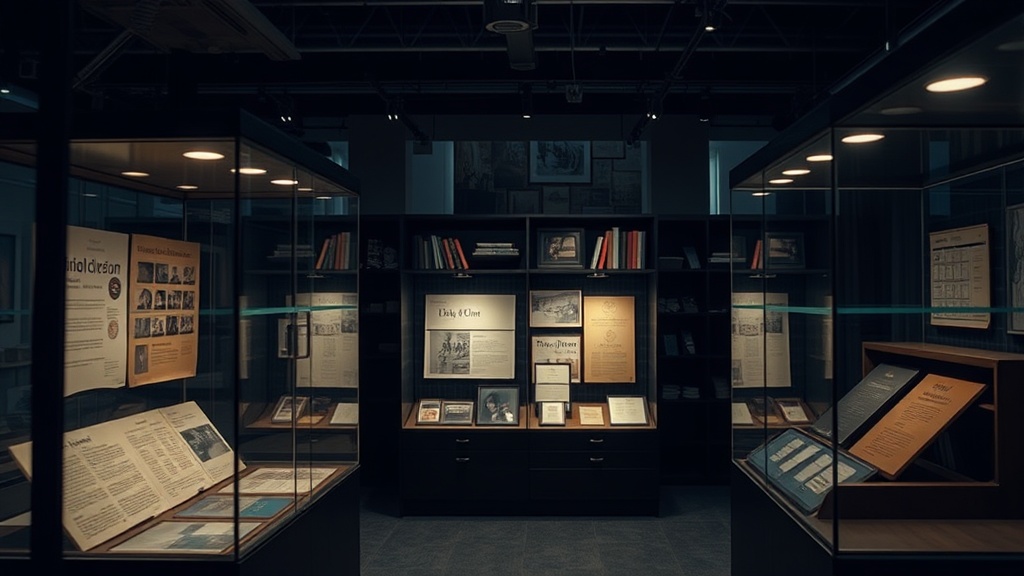
Preserving Metal and Paper with Proper Display Cases

A collector in Chicago recently opened a vintage wooden chest to find their prized 1950s metal bottle cap collection turned into a pile of oxidized, brownish dust. The culprit wasn't a flood or a fire; it was simple, unchecked oxidation caused by poor storage. This post explains how to select the right display cases to protect metal caps, paper labels, and small-scale collectibles from environmental decay.
When you collect things like metal caps, tin toys, or paper-based bottle labels, you aren't just collecting objects—you're collecting biological and chemical reactions. If you don't control the environment, your collection will eventually degrade. We'll look at the specific materials you need to keep your items looking as fresh as the day you found them.
How Do I Prevent Metal Oxidation in Display Cases?
Preventing metal oxidation requires using airtight containers and controlling humidity levels to stop moisture from reacting with the metal surfaces. For collectors of metal bottle caps or vintage tin-plate toys, even a tiny amount of moisture in the air can trigger rust or verdigris. You want to avoid any case that isn't truly sealed or one that allows air circulation if the environment is humid.
The best way to do this is by using acrylic or high-grade glass cases that feature a gasket seal. If you're displaying metal caps, you'll want to avoid cheap plastic bins that can off-gas chemicals. Those chemical vapors—often called "plasticizer migration"—can actually accelerate the aging of the metal. It's a subtle but real threat to your collection.
Here are a few things to watch out for when buying display cases for metal items:
- Acrylic vs. Glass: Acrylic is lighter and harder to break, but it can scratch easily. Glass is more chemically inert and won't off-gas, making it a safer bet for high-value metal pieces.
- Sealed Environments: Look for cases with a silicone-sealed base. This prevents the "micro-climates" that form when warm, moist air gets trapped inside.
- Metal Type: A tin-plated cap reacts differently than a solid copper or brass piece. (Always check if your item is steel-based, as steel is much more prone to rust).
If you're worried about humidity, you can add silica gel packets inside the case. These little packets act as a sponge for moisture. Just make sure you don't let the humidity get too low—extremely dry air can actually cause some types of older paint or lacquer to crack and flake off the metal.
What Is the Best Material for Protecting Paper Labels?
The best material for protecting paper labels is acid-free, archival-grade housing that prevents both yellowing and physical tearing. Paper is incredibly sensitive to light and acidity. If you put a vintage paper label in a standard cheap photo album, the acid in the paper will eventually eat itself, leaving you with a brittle, brown mess.
For bottle labels or small paper ephemera, you need to be careful about what "clear" sleeves you use. Many cheap plastic sleeves are made of PVC (polyvinyl chloride). PVC is a nightmare for collectors because it releases gases that can turn paper yellow and even melt certain types of ink. It's better to use archival-quality materials that are labeled as PVC-free or "acid-free."
When choosing a display method, consider these three tiers of protection:
- Low Protection: Standard plastic sleeves or cheap-looking shadow boxes. These are fine for temporary displays but bad for long-term storage.
- Medium Protection: Acid-free mounting boards and UV-resistant acrylic frames. This is the sweet spot for most collectors.
- High Protection: Museum-grade, UV-filtering glass cases with controlled atmosphere. This is usually overkill unless you're handling extremely rare items.
Light is your biggest enemy here. Even if the case is airtight, if it's sitting under a bright LED or near a window, the UV rays will bleach the ink right off the paper. I always recommend keeping your displays in a room with controlled lighting, away from direct sunlight.
Does UV Light Damage My Collection?
Yes, UV light causes irreversible photodegradation, which breaks down the molecular bonds in both paper and certain metal coatings. If you have a collection of brightly colored bottle caps or printed labels, the colors will fade—often called "sun bleaching"—if they aren't protected by UV-filtering glass or acrylic.
It isn't just about the colors fading, though. UV light can also cause the physical structure of the material to change. For example, a clear acrylic case might turn yellow or become brittle if exposed to too much light. It's a two-way street: the light damages the collection, and it also damages the display itself.
To keep things safe, I suggest looking at the technical specs of your display cases. Many high-end brands like UV-protective acrylic manufacturers offer sheets that block up to 99% of harmful rays. It's a small investment that saves your collection from a slow, invisible death.
| Material Type | Primary Threat | Recommended Protection |
|---|---|---|
| Metal Caps | Moisture & Oxygen | Airtight cases + Silica Gel |
| Paper Labels | Acid & UV Light | Acid-free sleeves & UV-filter glass |
| Tin Toys | Rust & Scratches | Sealed acrylic cases |
| Small Ephemera | Humidity & Oils | Archival-grade, PVC-free holders |
One thing to keep in mind: even when wearing gloves to handle your items, you're introducing oils from your skin. These oils can leave permanent fingerprints on metal and can also cause paper to stain over time. I've seen many collectors ruin a perfectly good piece just by touching it with bare hands during a "cleaning" session.
If you're building a display, don't just look for something that looks pretty on a shelf. Look for the technical details. Check the material composition. Ask if it's truly airtight. A display case is a vault, not just a box. If you treat it like a vault, your collection will still look incredible twenty years from now.
If you're unsure about a specific case, I'd suggest testing a "dummy" piece first. Put a similar, low-value item in the case for a few months and see how it holds up. It's a cheap way to test the environment before you risk the real deal.
Steps
- 1
Assess your collection size
- 2
Choose UV-resistant materials
- 3
Check for airtight seals
- 4
Arrange for visibility and safety