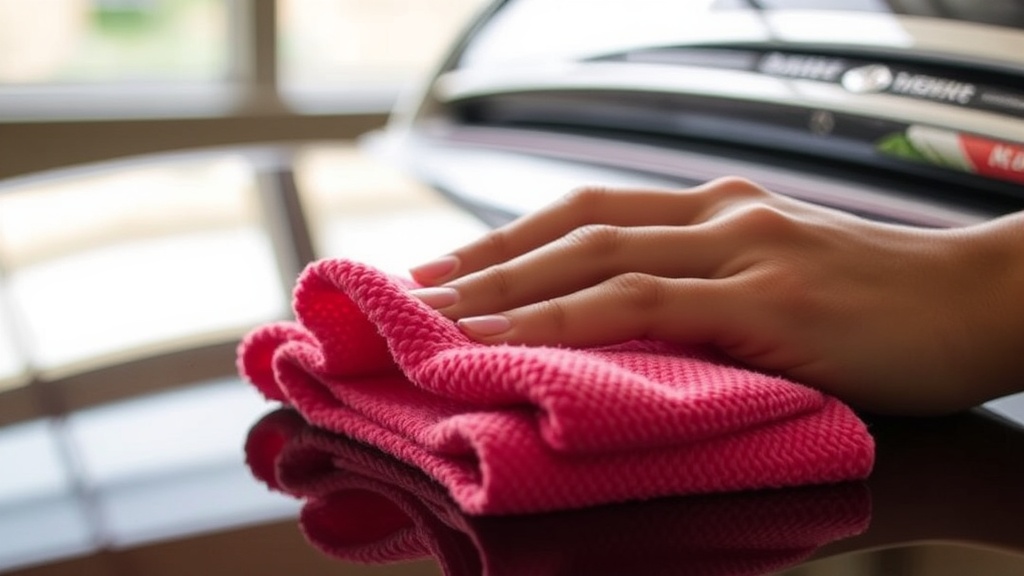
Keep Your Collection Polished with Microfiber Cloths

Quick Tip
Always use a clean, high-quality microfiber cloth to avoid micro-abrasions on delicate metal surfaces.
A collector reaches for a pristine, vintage soda cap only to find a smudge of finger oil or a layer of dust that won't budge. They grab a paper towel to wipe it away, but the rough texture leaves microscopic scratches on the printed surface. This is exactly why you need to be careful with how you clean your small collectibles.
Using a high-quality microfiber cloth is the simplest way to keep your bottles, caps, and small metal pieces looking showroom-ready without risking permanent damage. It’s about more than just aesthetics; it's about preserving the long-term value of your items.
Why Should You Use Microfiber for Collectibles?
Microfiber cloths are ideal because their tiny, split fibers lift dust and oils away from a surface rather than just moving them around. Unlike standard cotton rags or paper towels, these synthetic fibers are incredibly soft and won't cause the abrasive scratching that ruins delicate finishes. If you're handling high-gloss glass bottles or painted metal caps, you'll want to avoid anything that could leave a permanent swirl mark.
Most high-quality microfiber—like those produced by microfiber manufacturers—is designed to be lint-free. This is a big deal when you're trying to display clear glass bottles without seeing tiny white threads stuck in the crevices. It’s a small investment that prevents a massive headache later.
Which Type of Cloth is Best for Metal Caps?
A high-density, fine-weave microfiber cloth is the best choice for cleaning metal bottle caps and small metal trinkets. You don't want a "shaggy" towel used for car detailing; you want a smooth, flat-weave cloth that won't snag on embossed edges or jagged metal edges.
Here is a quick breakdown of what to use for different parts of your collection:
- Glass Bottles: Use a flat-weave microfiber to prevent streaks and lint.
- Metal Caps: Opt for a high-density cloth to lift oils without scratching the paint.
- Acrylic Display Cases: A very soft, clean microfiber prevents the "clouding" effect common with cheap plastic cleaners.
The catch? If you use a cloth that's already dirty, you're just spreading the grime. Always keep a dedicated "clean" cloth for your most valuable pieces (the ones you're planning to trade or sell).
How Do You Clean Microfiber Cloths Properly?
You should wash your microfiber cloths with water and a mild detergent, avoiding fabric softeners or bleach. Fabric softeners are the enemy here—they coat the fibers in a waxy residue that makes them less effective at picking up oils and dust. If you use too much soap, the cloth will actually leave streaks on your glass bottles.
If you're worried about the integrity of your more sensitive items, you might also want to look into preserving metal integrity through humidity control. While a cloth handles the surface dust, controlling the environment prevents the oxidation that no amount of wiping can fix. It's a two-part approach to long-term maintenance.
Keep your cloths in a sealed container when they aren't in use. This prevents them from picking up household dust before they even touch your collection.