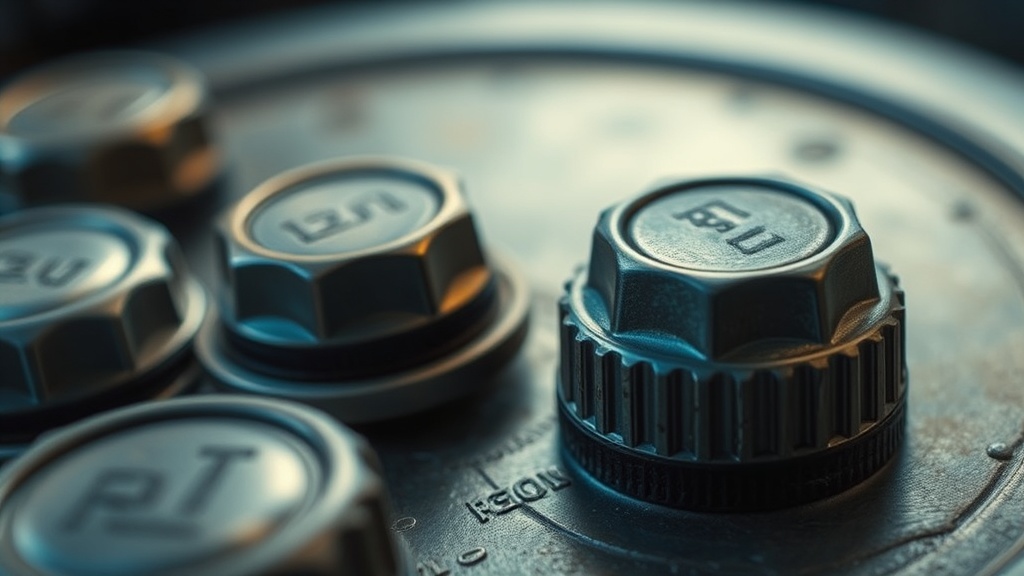
Identifying Authentic Vintage Metal Caps and Avoiding Modern Reproductions

What to Look for When Verifying Vintage Metal Caps
This guide explains how to distinguish genuine vintage metal bottle caps from modern reproductions or high-quality fakes. You'll learn to examine physical characteristics, printing methods, and material composition to ensure your collection stays authentic. Whether you're hunting at estate sales or buying from online auction sites, these methods provide a reliable way to verify age and quality.
Authenticity in the world of small-scale collectibles is everything. A single counterfeit can throw off the entire aesthetic of a display or, more importantly, the value of a specialized collection. One of the first things you should check is the weight and the way the metal feels in your hand. Older caps, particularly those from the early to mid-20th century, often possess a different heft compared to modern, mass-produced versions. If a cap feels suspiciously light or thin, it might be a modern imitation designed to mimic a vintage look without the actual age.
The printing process is another dead giveaway. Vintage caps often used lithography or older printing techniques that leave subtle, imperfect marks. If you look under a jeweler's loupe, you'll see that the ink on an old cap might have slightly irregular edges or a specific depth that modern digital printing simply can't replicate. Modern fakes often look too perfect—too crisp, too clean, and too uniform. Real history has texture.
Common physical traits of authentic vintage caps:
- Edge Denting: Genuine vintage caps often show slight irregularities in the crimping process.
- Oxidation Patterns: Look for natural aging rather than artificial distressing.
- Ink Depth: Older printing methods often result in a slight indentation or unique texture in the pigment.
How can I tell if a cap is a fake or a reproduction?
Many collectors run into trouble when they mistake a "reproduction" for a "vintage" item. There is a big difference between a modern cap made to look old and a truly old cap. A reproduction is often a newer product made for the souvenir market. These are fine for decor, but they shouldn't be priced as high-value antiques. To spot a fake, look at the underside of the cap. Modern caps often have very clean, machine-stamped undersides, whereas older versions might show more manual-style construction or different metal compositions.
Check the color saturation as well. A modern reproduction might use high-gloss, vibrant colors that look almost too bright under LED lights. Real vintage items have had decades to settle into their color. If the colors look incredibly vivid and the surface is perfectly smooth without a single microscopic scratch, you might be looking at a recent manufacture. You can research specific historical manufacturing standards through resources like the Library of Congress to understand how metal-working and printing evolved over the decades.
Another red flag is the presence of modern branding or modern font styles that shouldn't exist in that era. Sometimes, counterfeiters get lazy and include a modern-looking logo or a font that didn't exist during the period the cap claims to represent. It sounds simple, but it happens more often than you'd think. Always cross-reference the design with known historical archives or reputable collector databases.
Is the metal quality a sign of age or a replica?
The metal itself tells a story. Older caps were often made from different alloys than the ones we see in mass production today. Some vintage caps might show signs of genuine patina—a dulling or slight color change caused by age—that isn't just surface dirt. If the "rust" looks too orange or too uniform, it might be a chemical wash applied to make a new item look old. Real oxidation is often subtle and develops in specific spots based on how the object was stored or handled.
When inspecting the crimping (the way the metal is shaped around the bottle neck), look for consistency. While vintage processes weren't perfect, they had a certain character. If the crimping looks perfectly symmetrical and identical to a thousand other caps, it's likely a modern machine-made piece. You can often find more information about industrial history and manufacturing changes through the Smithsonian Magazine archives, which can help you pin down when certain metal-forming techniques became standard.
It's also helpful to keep a small sample of known-authentic-old and known-modern-new caps. This gives you a physical baseline. If you're looking at a cap and it doesn't match the weight, feel, or texture of your baseline, proceed with caution. A collector's greatest tool isn't a high-tech scanner; it's their own sensory experience and a well-documented reference library.
One way to be certain is to check for the "feel" of the metal. Older steel or iron-based caps might feel slightly more textured or have a different thermal conductivity than modern aluminum-heavy alloys. While this is a subtle distinction, it becomes much easier to notice after you've handled a few hundred pieces. Don't rush the process. Take your time to look at the details, especially the parts that aren't meant to be the center of attention, like the rim or the underside. That's where the truth usually hides.