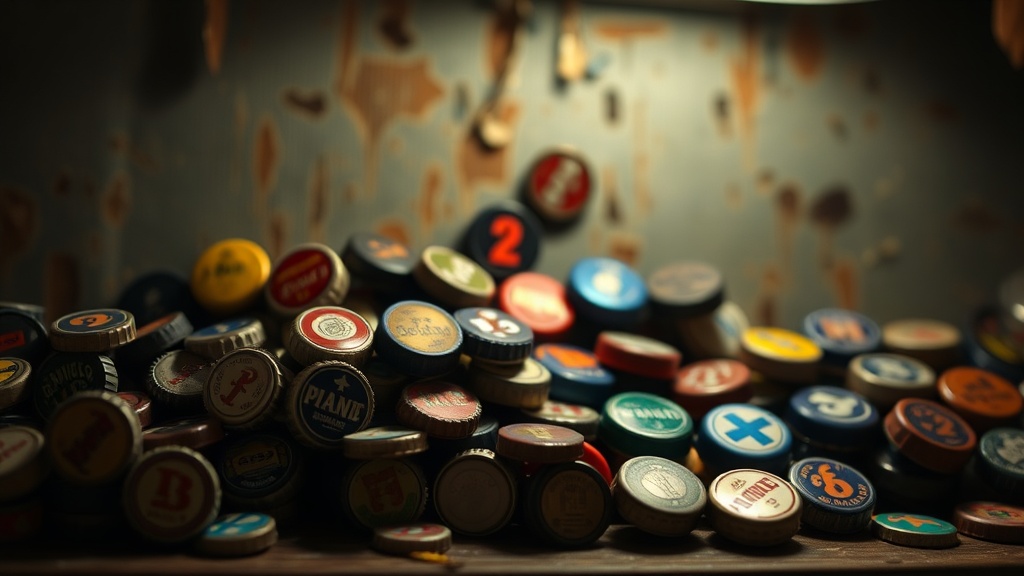
How to Store and Protect Your Bottle Cap Collection for Decades

This guide covers proven storage methods, protective materials, and environmental controls that keep bottle cap collections pristine for decades. Whether you've got fifty vintage soda caps or five thousand craft beer lids from around the world, proper preservation prevents fading, rust, and damage that destroys value. You'll learn specific products, techniques, and mistakes to avoid — no vague advice, just practical steps that collectors in Ottawa and beyond have tested over years.
What's the Best Way to Store Bottle Caps Long-Term?
The best long-term storage keeps caps organized, protected from air and moisture, and easily accessible for viewing. Most serious collectors use a combination of archival-quality binders with pocket pages, compartmentalized storage boxes, and airtight containers for high-value pieces.
Here's the thing — not all storage solutions are created equal. That plastic tackle box from Canadian Tire might work for a few months, but over years, cheap plastics off-gas chemicals that discolor metal and paper liners. The same goes for those ziplock bags hiding in kitchen drawers: they trap humidity and invite corrosion.
Worth noting: the bottle cap community has largely settled on a few trusted approaches. For display and regular handling, acid-free binder pages (the kind used for coin collecting) work beautifully. They let you flip through collections like a photo album — and they're standardized, so pages from BCW, Ultra Pro, or Lighthouse fit standard three-ring binders.
For bulk storage, compartment boxes made from inert materials beat everything else. The Gaylord Archival micro-chamber boxes are overkill for most collectors, but their polypropylene specimen boxes hit the sweet spot of protection and price. Raaco and Sortimo modular systems — popular with hardware stores and increasingly with collectors — offer customizable compartments that prevent caps from jostling against each other.
"I've seen $200 caps ruined because someone stored them in a cardboard shoebox in their basement. Humidity is the silent killer — it doesn't announce itself until the rust appears." — Canadian Bottle Cap Collectors Forum
How Do You Prevent Bottle Caps from Rusting?
Rust prevention requires controlling humidity, limiting oxygen exposure, and avoiding contact with reactive materials. Metal crowns — even stainless steel and aluminum varieties — oxidize when moisture meets air over extended periods.
The catch? Most collectors don't monitor their storage environment. You wouldn't store a vintage baseball card in a damp basement, yet people toss valuable caps into drawers without a second thought.
Start with a hygrometer — the ThermoPro TP50 costs under $15 and tracks humidity levels accurately. Aim for 35-50% relative humidity. Ottawa summers hit 80%+ humidity regularly, so basement storage without dehumidification is asking for trouble. Run a small dehumidifier (the Eva-Dry E-333 works for enclosed spaces) or store collections in climate-controlled areas.
For individual protection, 2x2 cardboard coin holders (BCW or Whitman brands) work well for rare pieces. They create a micro-environment that buffers against humidity swings. For groups of caps, polypropylene tubes with desiccant packets inside offer excellent protection — just don't use PVC, which releases hydrochloric acid over time.
Silica gel packets are your friends here. The indicating variety (orange-to-green) lets you see when they've saturated — toss them in a low oven (200°F) for a few hours to recharge. Companies like Interteck Packaging sell food-grade indicating silica in bulk, perfect for serious collectors.
Regional Considerations for Canadian Collectors
Canadian climate realities matter. Winters bring furnace-dry air that makes static electricity a nuisance — polypropylene storage reduces this. Spring and fall temperature swings cause condensation in poorly sealed containers. If you're storing caps in an unheated garage or shed (not recommended, but collectors do it), allow sealed containers to reach room temperature before opening them. That prevents moisture from condensing on cold metal surfaces.
What Materials Should You Never Use for Bottle Cap Storage?
Avoid PVC plastics, rubber bands, adhesive tapes, non-archival cardboard, and standard wood drawers or shelves. These materials react chemically with metal, paper, and paint over time — causing irreversible damage that no restoration fixes.
That sounds dramatic, but the evidence is everywhere. Visit any estate sale collection and you'll find caps fused to rubber bands, stained by acidic cardboard, or pitted by off-gassing plastic. The damage happened slowly — years of chemical interaction — and now it's permanent.
Specific materials to ban from your storage area:
- PVC "flips" or sheets — the plasticizer breaks down, leaving green corrosion on metal
- Rubber bands — they dry out, stick to surfaces, and leave sulfur residues
- Scotch tape or masking tape — adhesives yellow, stain, and become impossible to remove cleanly
- Regular newspaper or newsprint — highly acidic, causes browning and brittleness in paper liners
- Cedar or standard wood drawers — aromatic oils and acids damage everything except sealed plastic containers
That said, you don't need museum-grade everything. A $5 polypropylene food container from IKEA beats a $2 PVC collector's box every time. The key is understanding why certain materials fail — then making smart trade-offs based on your collection's value and your budget.
Storage Solutions Comparison
| Storage Method | Best For | Cost Estimate | Protection Level | Accessibility |
|---|---|---|---|---|
| Acid-free binder pages | Viewing, organizing by theme | $0.50–$1.50 per page | Good (dust, handling) | Excellent |
| Polypropylene compartment boxes | Bulk storage, duplicates | $15–$40 per box | Very Good | Good |
| 2x2 cardboard coin holders | High-value individual caps | $0.10–$0.25 each | Excellent | Moderate |
| Glass mason jars with desiccant | Temporary display, small sets | $2–$5 per jar | Moderate | Excellent |
| BCW storage boxes (plastic) | Mixed collections | $20–$50 | Good | Good |
| Original brewery display cases | Complete branded sets | Variable ($50–$500+) | Moderate to Good | Excellent |
How Should You Handle and Display Bottle Caps?
Handle caps by their edges only — preferably with clean cotton gloves or freshly washed hands — and limit exposure to direct light,