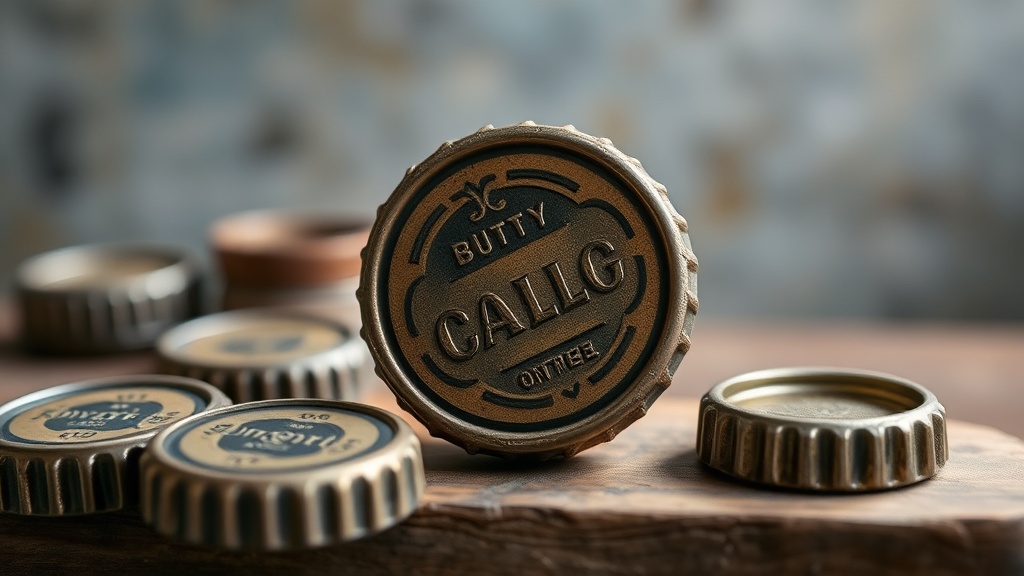
How to Clean Vintage Bottle Caps Without Damaging the Metal

Learn the safest methods for removing grime and oxidation from your collection.
This guide covers the specific steps and tools required to clean vintage bottle caps without stripping the paint or weakening the metal. Whether you've found a dusty treasure at an estate sale or you're dealing with light surface grime on a long-term shelf piece, knowing how to handle these items is vital. If you use the wrong chemicals or too much pressure, you'll ruin the very thing you're trying to preserve. We'll look at dry cleaning, wet cleaning, and how to handle stubborn spots.
Can I use soap and water on vintage bottle caps?
The short answer is: proceed with extreme caution. Most vintage bottle caps are made of tin-plated steel or aluminum, and moisture is their biggest enemy. If you use a bucket of soapy water, you risk inducing rust or causing the paint to flake off. If you must use water, keep it lukewarm and never soak the cap. A quick dip is okay, but leaving a metal cap sitting in water is a recipe for disaster. You'll want to use a mild, pH-neutral dish soap rather than anything harsh or abrasive.
When you're working with a piece that has significant surface dirt, a damp cloth is often better than a submerged soak. Grab a soft microfiber cloth—not a paper towel, which can be abrasive—and wipe the surface gently. If you see the paint starting to lift or if the metal feels tacky, stop immediately. That tackiness is often a sign that the protective coating is failing, and adding moisture will only accelerate the decay. For those looking for deeper technical specs on metal compositions, the Britannica entry on tin plate provides great context on why these materials react to moisture the way they do.
How do I remove rust from a bottle cap?
Rust is the bane of every collector's existence. If you've found a cap with small spots of oxidation, you can often address them without a full overhaul. For light rust, a wooden toothpick or a soft-bristled toothbrush can work wonders. Avoid using metal brushes or steel wool at all costs. If you use a metal brush, you'll create tiny scratches in the paint and the metal surface, leaving it even more vulnerable to future oxidation. It's a vicious cycle.
If the rust is more persistent, some collectors use a specialized, non-abrasive rust remover, but I'd suggest staying away from anything that involves heavy acids. A very mild application of white vinegar on a cotton swab can sometimes lift minor spots, but you have to be incredibly careful. Vinegar is an acid, and if you don't neutralize it and dry the cap perfectly afterward, you're just inviting more rust. Always follow up with a dry, lint-free cloth to ensure no moisture remains in the crevices of the crimped edges.
What are the best tools for cleaning small collectibles?
When it comes to the "smalls" in your collection—those tiny details in the crimped edges or the center of the cap—standard cleaning tools won't reach. You'll want to build a small kit of precision tools. Here is what I recommend keeping on hand:
- Soft-bristled toothbrushes: Great for dusting-off loose dirt without scratching.
- Cotton swabs (Q-tips): Perfect for targeted cleaning of the center emblem or the edges.
- Microfiber cloths: The gold standard for wiping away residue.
- Compressed air: Use this to blow out dust from deep within the rim or the underside.
- Fine-tipped wooden toothpicks: Ideal for picking out tiny bits of debris or old dried residue.
If you're dealing with a piece that has a lot of heavy buildup, you might be tempted to use a tool like a rotary tool with a polishing head. I'd strongly advise against this unless you are an expert. The friction generated can easily burn through the thin layer of paint or the plating, leaving your collectible looking like a piece of scrap metal. Instead, focus on gentle, repetitive motions. Patience is your best friend here. If a spot doesn't come off with a gentle wipe, leave it alone. It's better to have a slightly dirty, authentic cap than a "clean" one that's been stripped of its character.
For those interested in the chemical properties of metal-based collectibles, the American Chemical Society offers resources that explain how oxidation works on a molecular level. Understanding the science can help you realize why being too aggressive with cleaning agents is so damaging. A well-maintained collection is a testament to your care, and that care starts with knowing when to step back. If the item is a high-value rarity, sometimes the best way to clean it is to do nothing at all. A light dusting with a soft brush once a month is often more than enough to keep a collection looking pristine without risking the integrity of the piece.
| Method | Risk Level | Best For |
|---|---|---|
| Dry Dusting | Low | Loose dust and debris |
| Damp Cloth | Medium | Surface grime and smudges |
| Cotton Swab & Water | Medium | Detailed edges and crevices |
| Vinegar/Acid | High | Stubborn oxidation (Use with caution!) |