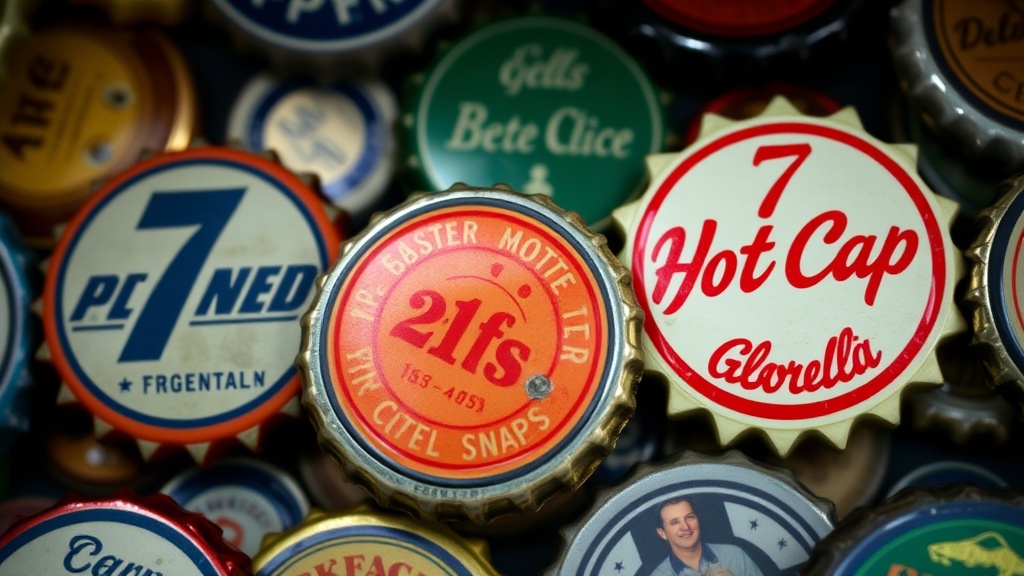
7 Warning Signs Your Vintage Bottle Cap Collection Needs Immediate Attention

You pull out a drawer you haven't opened in months and notice a familiar smell—that sharp, metallic tang that makes your stomach drop. Three caps you traded for last year now sport fuzzy green patches around the edges. Another has developed a chalky white film that wasn't there when you stored it. Small problems like these spiral quickly in bottle cap collecting, and catching them early saves both your pieces and your investment. This listicle walks through seven red flags that signal your collection requires immediate intervention—plus what to do about each one.
What Causes White Residue on Stored Metal Caps?
That powdery film isn't dust—it's zinc pest or aluminum oxidation working its way across the surface. White residue forms when metal interacts with moisture and acidic compounds over time, breaking down the molecular structure of older caps manufactured with less refined alloys. Pre-1970s caps suffer most frequently because metallurgical standards were looser then, and impurities in the metal create galvanic reactions decades later.
The danger here is progression. A cap showing light spotting today develops pitting within six months if conditions persist. Pitting destroys stamping detail, removes paint layers, and turns display-worthy pieces into conversation starters for all the wrong reasons. I've watched a 1954 Orange Crush cap go from mint to pockmarked in under a year because the owner assumed the white spots were removable with a quick wipe.
Check your storage environment first. Relative humidity above 60% accelerates this process dramatically. If you spot white residue, isolate the affected cap immediately—zinc pest can spread to adjacent pieces through contact and shared air circulation. For active collectors, the Smithsonian Museum Conservation Institute offers detailed guidance on metal degradation mechanisms that apply directly to bottle cap preservation.
Why Do My Caps Smell Like Vinegar or Ammonia?
Off-odors signal chemical breakdown, and different smells indicate different problems. A vinegar scent suggests acetic acid release from degrading rubber liners in older crown caps—particularly common in beer caps from the 1960s and 70s where natural rubber was standard. Ammonia-like smells point to decomposing organic materials, often from paper inserts or cork backing that manufacturers used before synthetic alternatives became widespread.
These odors aren't merely unpleasant—they're corrosive. Acetic acid vapor etches metal surfaces over time, creating microscopic pitting that dulls finishes and removes fine details. The gas spreads through enclosed storage boxes, affecting entire collections even when only a few caps show visible damage. Think of it as a slow-moving infection that compromises structural integrity while you're not watching.
Remove any cap emitting odors and place it in a separate, ventilated container. Don't seal it in plastic—that traps the vapor and accelerates damage. For caps with degraded liners, professional conservation services can remove and replace the offending material, though this costs more than the cap's value for common varieties. The Canadian Association for the Conservation of Cultural Property maintains a directory of specialists who handle small metal objects.
How Can I Spot Early-Stage Rust Before It Spreads?
Rust on bottle caps starts subtly—slight orange discoloration in recessed areas, tiny dots where the finish has worn thin, or a general dulling that makes chrome surfaces look frosted. Steel caps from the 1940s through 1960s are particularly vulnerable because protective coatings degrade predictably after sixty-plus years. The problem accelerates in fluctuating humidity where condensation forms and evaporates repeatedly, depositing moisture in microscopic cracks.
Inspect caps under magnification—10x reveals what naked eyes miss. Look at the crimped edges where the cap meets the bottle neck; this area experiences maximum stress during application and removal, creating entry points for moisture. Check the underside too, especially around any remaining liner material where trapped humidity pools against the metal.
Early rust responds to intervention. Surface oxidation removes cleanly with appropriate techniques (specialized solutions, not household chemicals that strip finishes). Deep rust—anything creating texture you can feel with a fingernail—usually means permanent damage. The goal is catching oxidation in the first six months of formation, before it penetrates deeply enough to undermine the cap's structure. Collectors serious about condition should examine their storage monthly, not annually.
Is It Normal for Paint to Chip on Vintage Soda Caps?
Paint failure isn't normal—it's environmental. Lithographed caps from the golden age of soda advertising (roughly 1950-1985) featured elaborate multi-color designs applied through offset printing processes. These finishes remain stable for decades in proper conditions, but temperature swings and UV exposure cause the underlying metal to expand and contract at different rates than the paint layer. The result is crazing, then chipping, then bare metal showing through.
Once paint lifts, the exposed area becomes a moisture entry point. Chips tend to spread as edges curl and catch on neighboring caps during handling. A single damaged piece in a group storage arrangement can transfer flakes to others, creating cross-contamination that affects your whole collection.
Prevention matters more than repair here. Store lithographed caps away from windows and heat sources—attics and garages are collection killers. Ideal storage maintains temperatures between 65-72°F with minimal fluctuation. For caps already showing paint issues, individual sleeves prevent damage transfer while you decide whether to keep, sell, or trade the affected pieces.
Why Are My Cork-Lined Caps Crumbling?
Natural cork has a lifespan. Before synthetic liners became standard in the 1960s, most beverage caps used compressed cork discs that created an effective seal against bottle glass. Sixty years later, that cork dries out, becomes brittle, and eventually turns to dust. The process accelerates in dry environments—ironic, given that moisture destroys metal—but cork requires moderate humidity (45-55%) to maintain flexibility.
Crumbling cork creates multiple problems. Dust migrates to adjacent caps, settling into recessed designs where it's nearly impossible to remove without abrasion. Sharp cork fragments scratch finishes during handling. Perhaps worst, the cap loses its structural integrity—cork provided internal support that maintained the cap's shape, and without it, the metal shell can deform or dent more easily.
Caps with intact vintage cork command premiums from serious collectors who value historical accuracy. Once crumbling starts, however, professional re-lining becomes the only preservation option. This involves removing the degraded material and installing archival-quality replacement liners—a service several specialists offer, though availability varies by region. Document cork condition carefully before any cap leaves your possession for conservation work.
What Does It Mean When Caps Stick Together in Storage?
Adhesion between stored caps indicates outgassing, corrosion bonding, or failed storage materials. Some vintage plastics and rubber compounds release sticky residues as they age—this outgassing creates films that bond adjacent metal surfaces. More seriously, corrosion bonding happens when two metal surfaces oxidize while in contact, essentially welding themselves together through chemical reaction.
Never force stuck caps apart. The bond often runs deeper than visible, and prying damages both pieces. Instead, apply gentle heat (a hairdryer on low held at distance) to soften any plastic or rubber residue, then use a thin blade to carefully separate them. For corrosion bonding, professional intervention may be necessary—attempting DIY separation usually destroys the finish on both caps.
Prevention requires storage audit. PVC sleeves and certain foam materials are notorious for outgassing after decades. Replace older storage materials with archival-quality polyethylene or polyester sleeves. Cap-specific albums and trays designed for numismatic collecting often work well for bottle caps, as coin collectors have solved many of the same storage challenges. Numismatic Guaranty Company publishes storage guidelines that translate effectively to bottle cap preservation.
When Should I Seek Professional Conservation Help?
Some damage exceeds DIY intervention. Deep pitting, active corrosion spreading across multiple pieces, structural deformation affecting display stability, or significant historical pieces showing any degradation—these situations warrant professional assessment. The threshold isn't monetary value alone; it's whether improper handling will cause irreversible damage that destroys the object's historical integrity.
Conservation isn't restoration. Conservators stabilize existing condition and prevent further deterioration; they don't make old caps look new again. That distinction matters for collectors who prize originality. A cap with honest wear tells a true story. A cap artificially returned to "mint" condition loses the authenticity that serious collectors value.
Research conservators carefully before committing pieces. Metal conservation requires specific expertise—general art conservators may lack experience with small utilitarian objects. Ask about previous bottle cap or similar metalwork projects, request references, and understand pricing structures upfront. Quality conservation represents investment, but for rare or historically significant pieces, it's the only responsible path forward.
"The best time to address collection problems was before they started. The second best time is today."
Regular inspection schedules prevent the scenarios above from reaching crisis levels. Monthly visual checks, quarterly detailed examinations under magnification, and annual storage environment audits catch problems while they're still manageable. Your collection's longevity depends on attention paid during routine moments—not heroics applied after damage becomes severe.