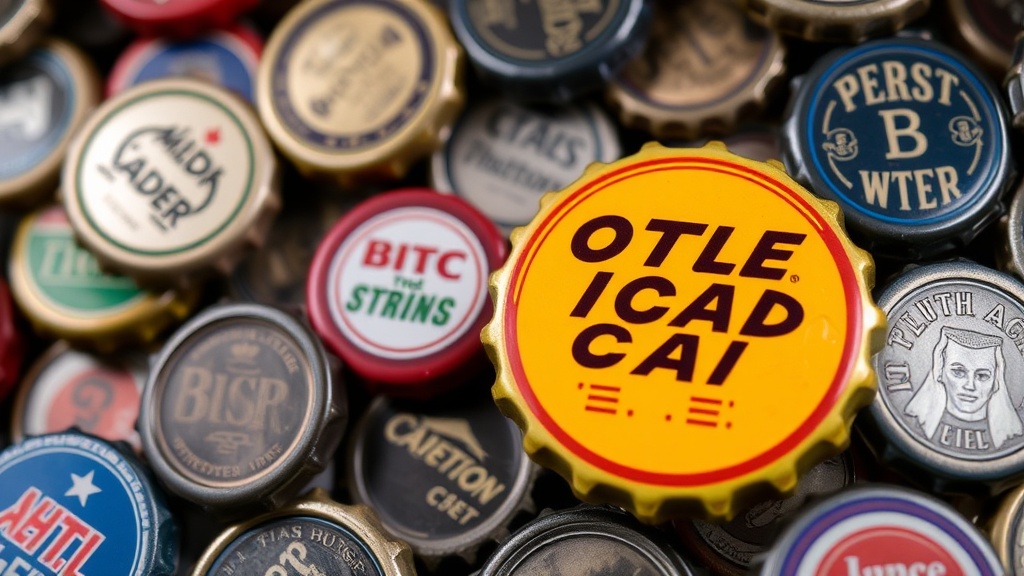
15 Bottle Cap Collecting Mistakes Beginners Make (And How to Avoid Them)

Keeping Every Cap You Find
Ignoring Condition Completely
Not Cleaning Caps Properly
Mixing Valuable Caps with Junk
Skipping Research
Overvaluing Nostalgia
Poor Storage Conditions
Not Labeling Anything
Buying Without a Focus
Ignoring Local Finds
Not Trading with Other Collectors
Forgetting About Displays
Not Tracking Value Over Time
Falling for Fake Rarity
Quitting Too Early
Most people think collecting bottle caps is simple: drink, keep, repeat. That mindset is exactly why beginners stall out fast. After years in the hobby, I’ve seen the same mistakes over and over—collections that could’ve been great but never quite got there.
This list is blunt on purpose. Fix these early, and your collection will look better, grow faster, and actually hold value.
1. Keeping Every Cap You Find
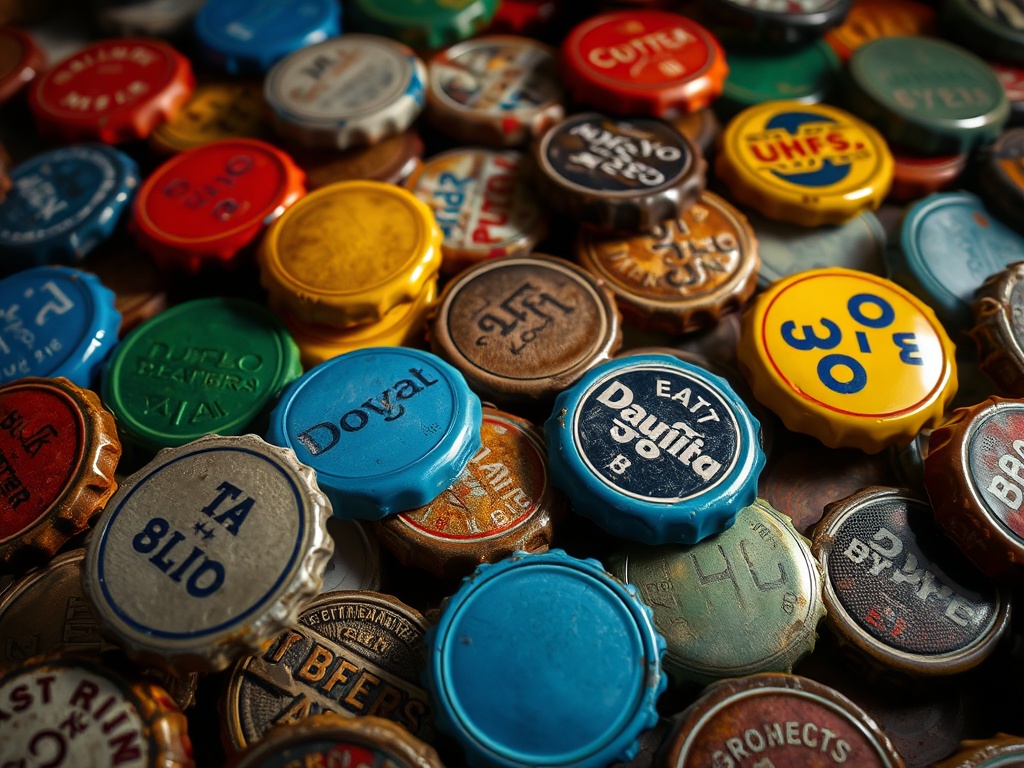
Quantity feels good at first, but it becomes clutter quickly. A shoebox full of random caps is not a collection—it’s storage.
Fix: Set criteria. Brand, era, country, or condition. If a cap doesn’t fit, it doesn’t stay.
2. Ignoring Condition Completely
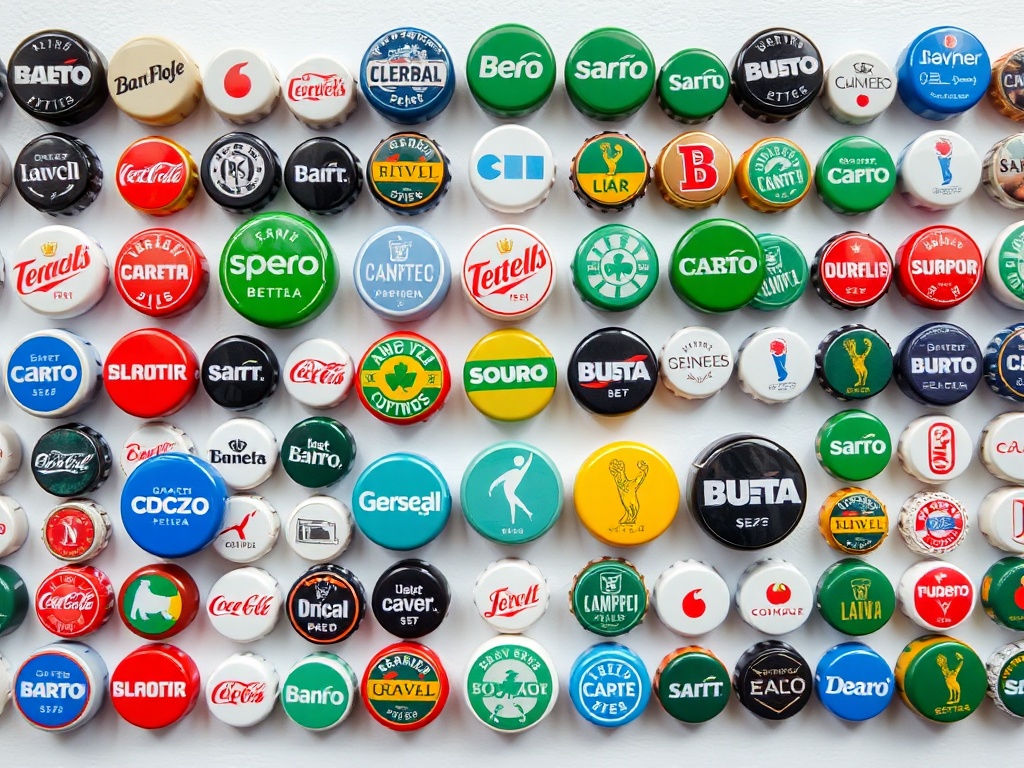
Dents, rust, and faded paint matter more than beginners think. Two identical caps can differ massively in value based on condition alone.
Fix: Learn basic grading: mint, near mint, used, damaged. Be picky early.
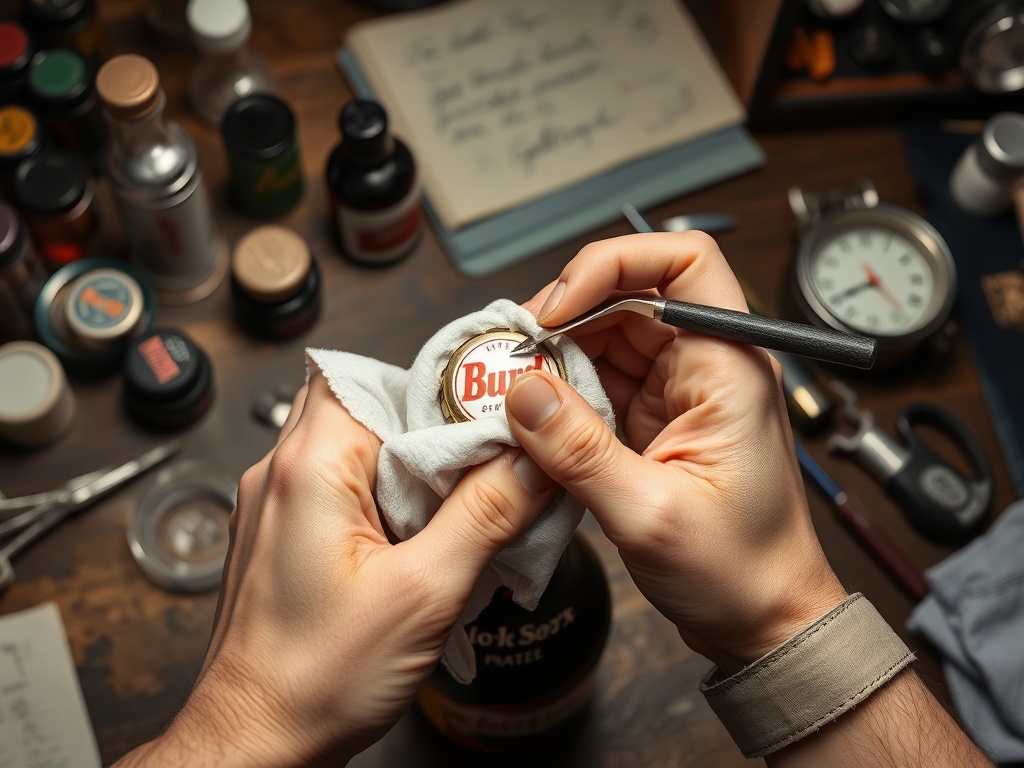
3. Not Cleaning Caps Properly
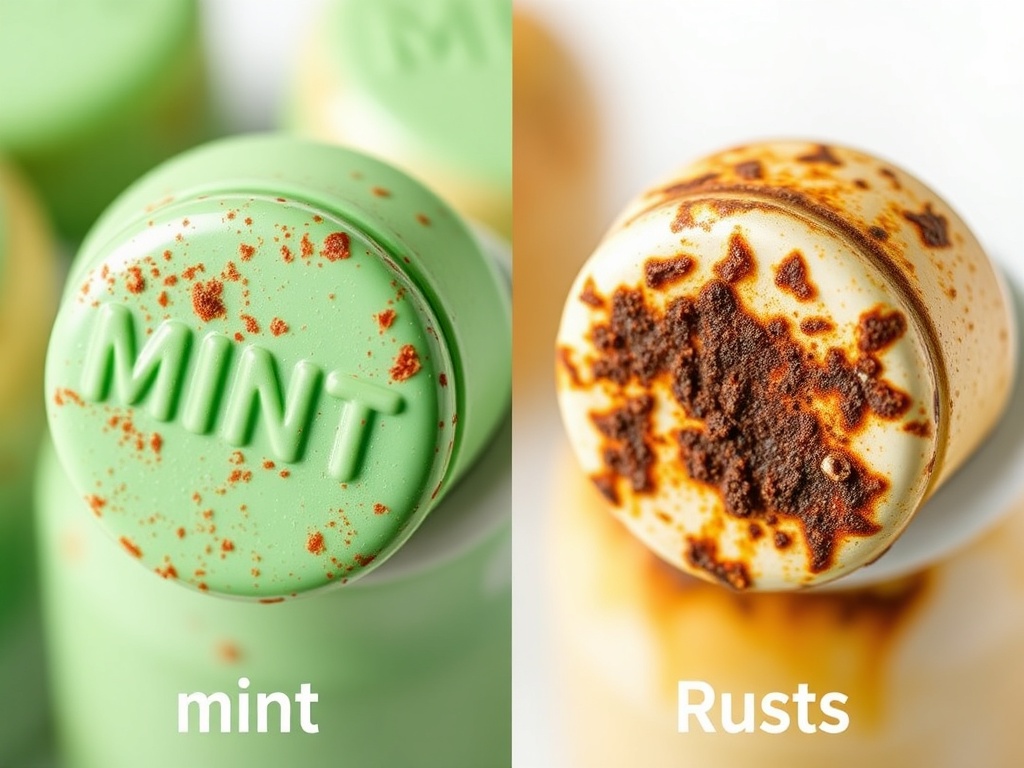
Throwing caps in water and calling it a day can actually damage them. Some coatings don’t handle moisture well.
Fix: Use gentle dry cleaning first. Only use water when necessary, and dry immediately.
4. Mixing Valuable Caps with Junk
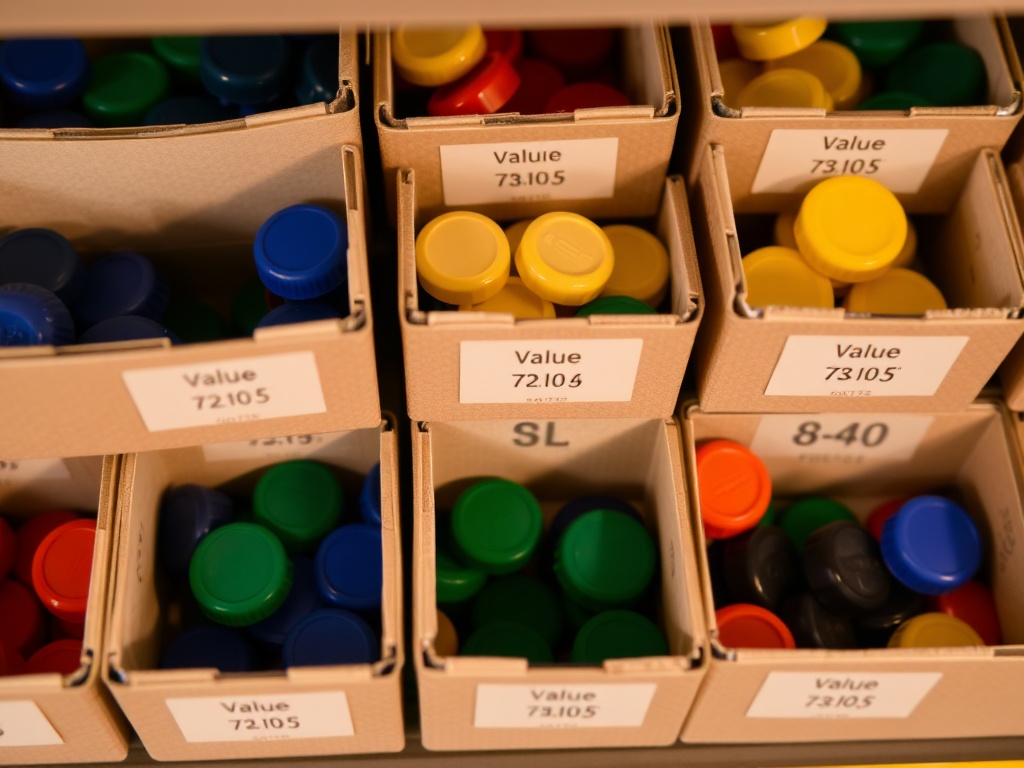
Scratches happen when everything is stored together. One sharp edge can ruin a rare piece.
Fix: Separate by value tier. Use small containers or sleeves for better pieces.
5. Skipping Research
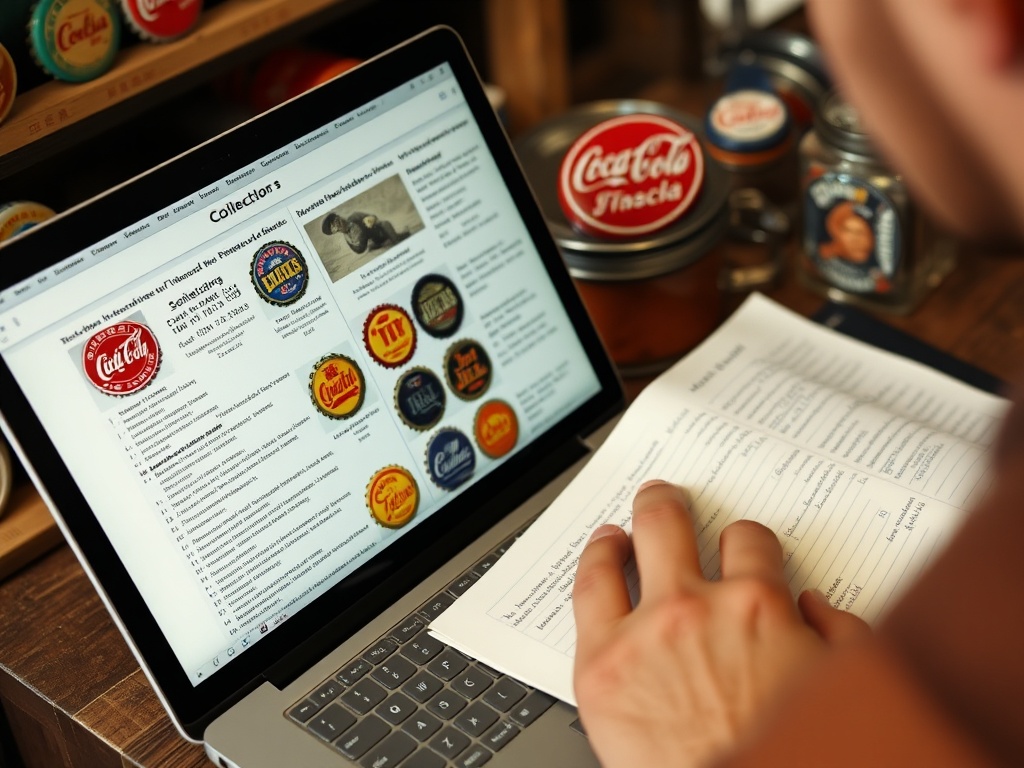
Guessing what’s rare is a fast way to overvalue common items and miss real gems.
Fix: Spend time browsing collector forums, auctions, and catalogs weekly.
6. Overvaluing Nostalgia
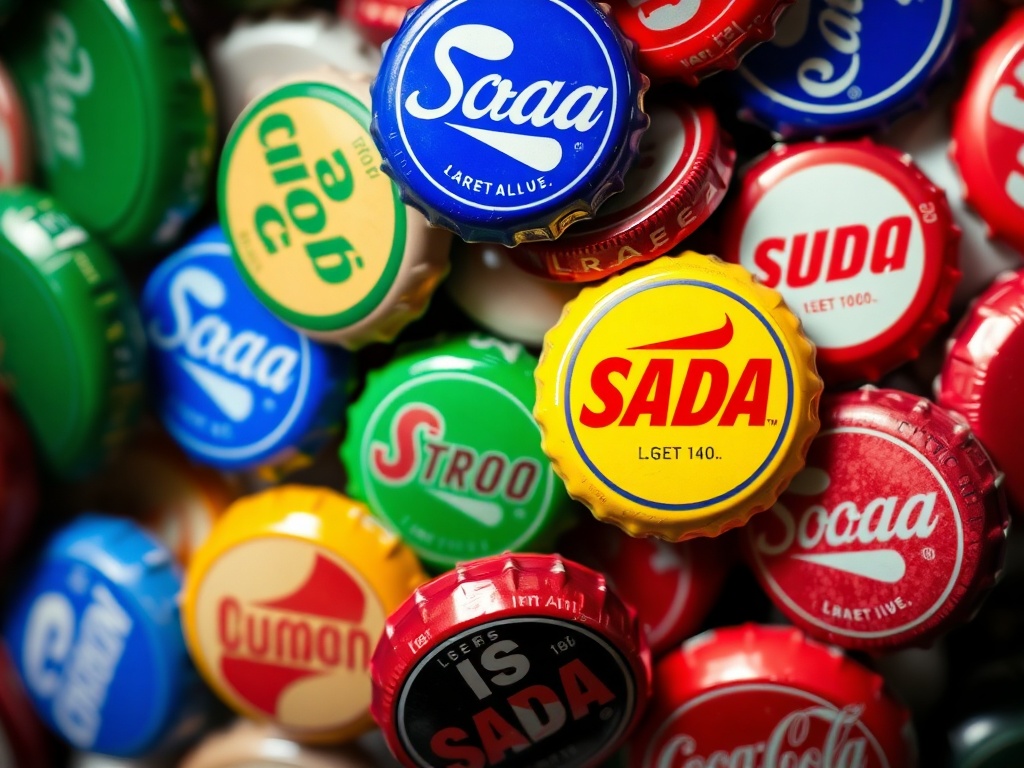
Just because you remember a brand doesn’t make it valuable. Sentimental and market value are different.
Fix: Separate personal favorites from investment pieces.
7. Poor Storage Conditions
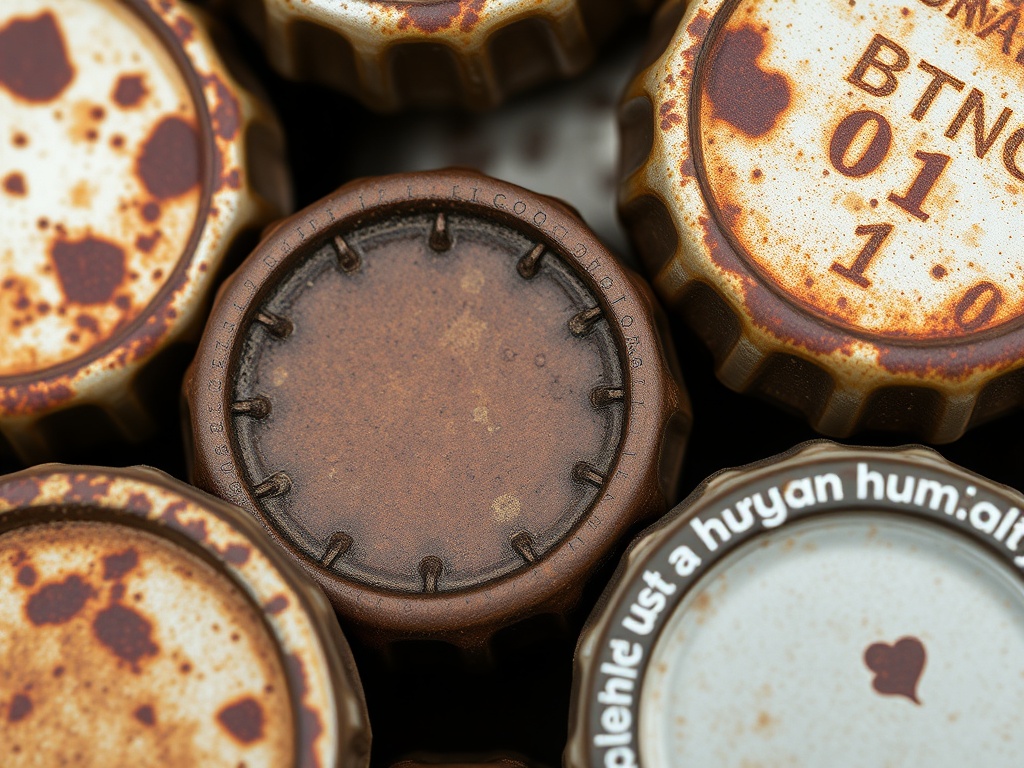
Humidity is the silent killer. Rust creeps in slowly, then all at once.
Fix: Keep caps in a dry, stable environment. Avoid basements unless properly controlled.
8. Not Labeling Anything
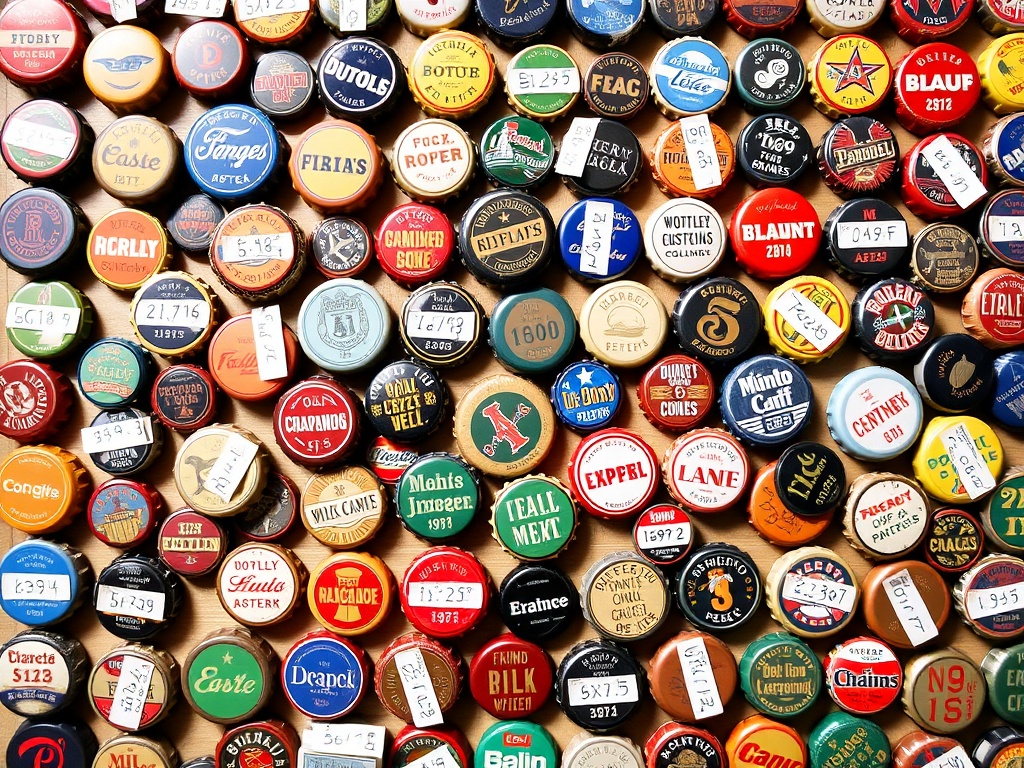
A year in, everything starts to blur. Where did this cap come from? You won’t remember.
Fix: Label batches with date, source, and notes.
9. Buying Without a Focus
Impulse buying leads to messy collections. You end up with a little of everything and depth in nothing.
Fix: Pick a lane: breweries, soda brands, geographic regions, or decades.
10. Ignoring Local Finds
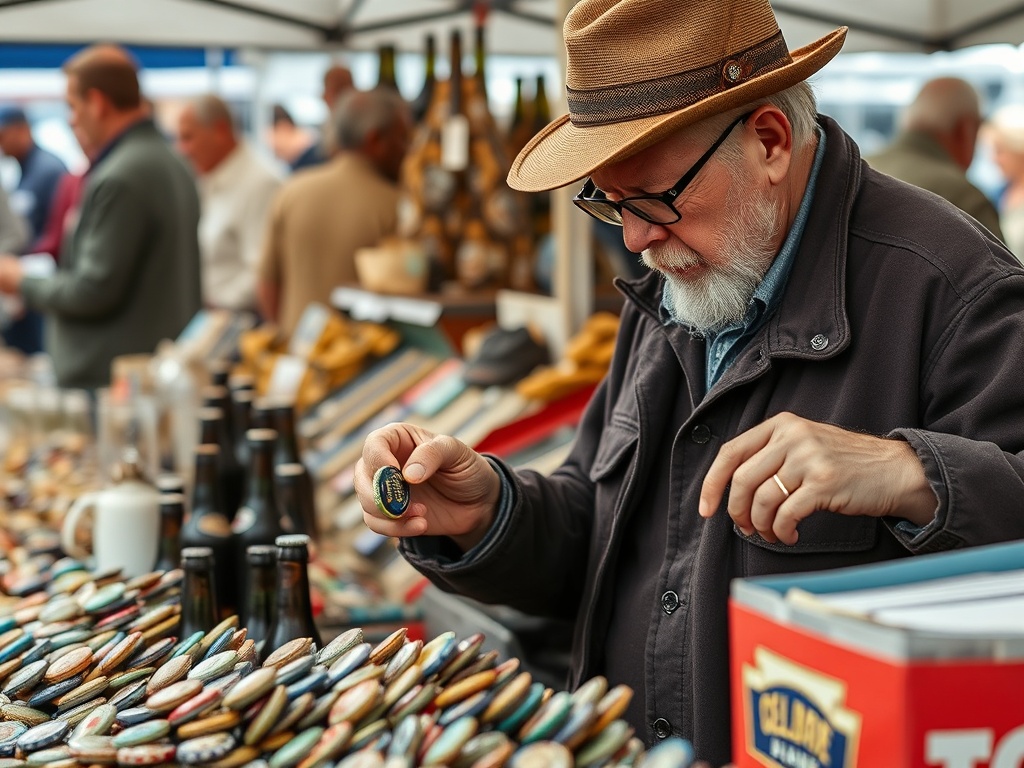
Some of the best caps are literally under your feet—especially in older areas.
Fix: Explore parks, old dump sites, and flea markets in your region.

11. Not Trading with Other Collectors
Trying to build everything alone is slow and frustrating.
Fix: Trade duplicates. It’s the fastest way to improve quality.

12. Forgetting About Displays
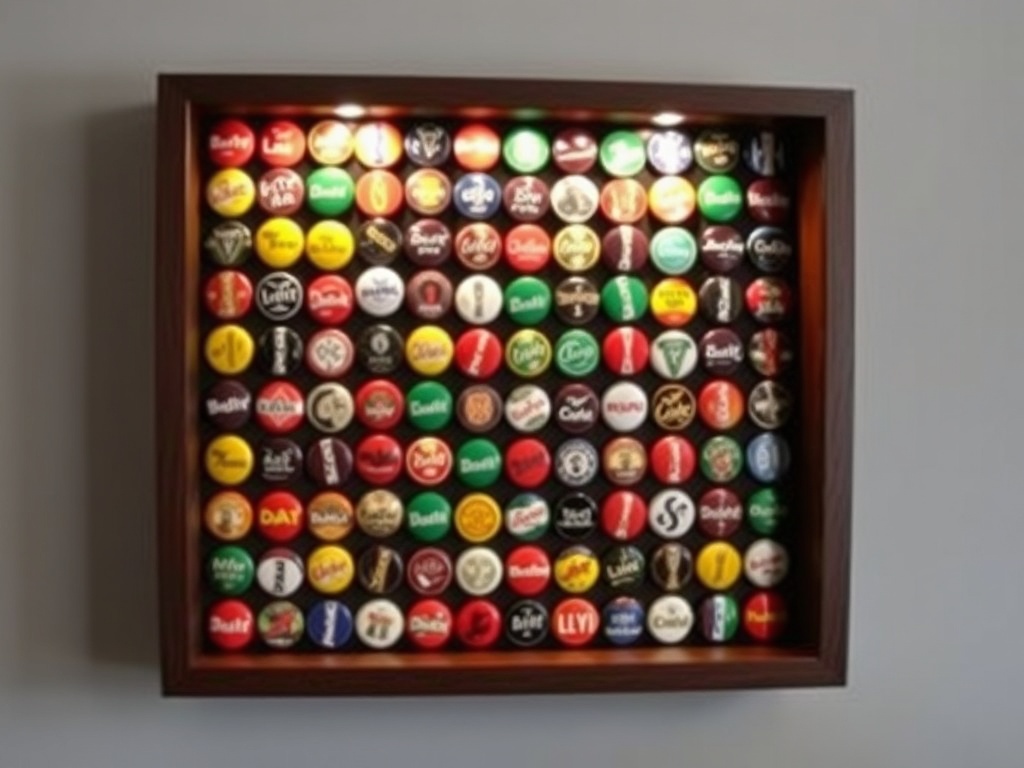
If your caps live in boxes, you’re missing half the enjoyment.
Fix: Use shadow boxes, frames, or magnetic boards to showcase highlights.
13. Not Tracking Value Over Time
Markets shift. What’s common today might not be tomorrow.
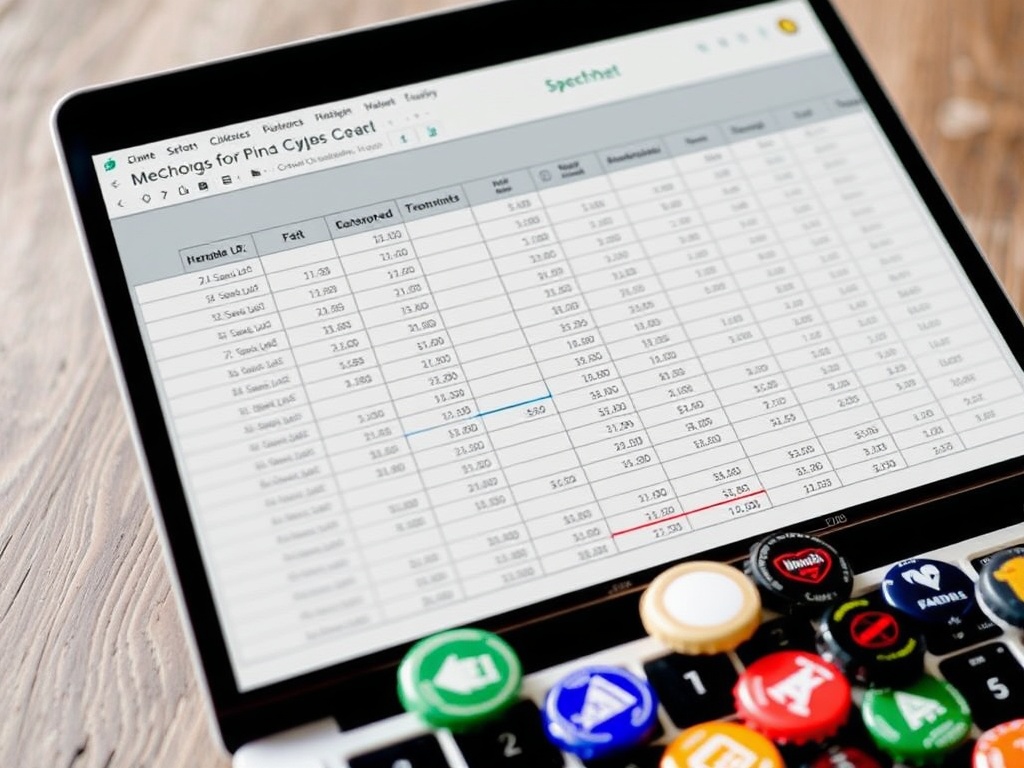
Fix: Keep a simple log of purchases and estimated values.
14. Falling for Fake Rarity
Some sellers inflate scarcity. “Rare” gets thrown around loosely.
Fix: Cross-check listings and look for actual sales data.
15. Quitting Too Early
Most collections look rough in the first year. That’s normal. The payoff comes later.
Fix: Stay consistent. Small improvements compound.
Final Take
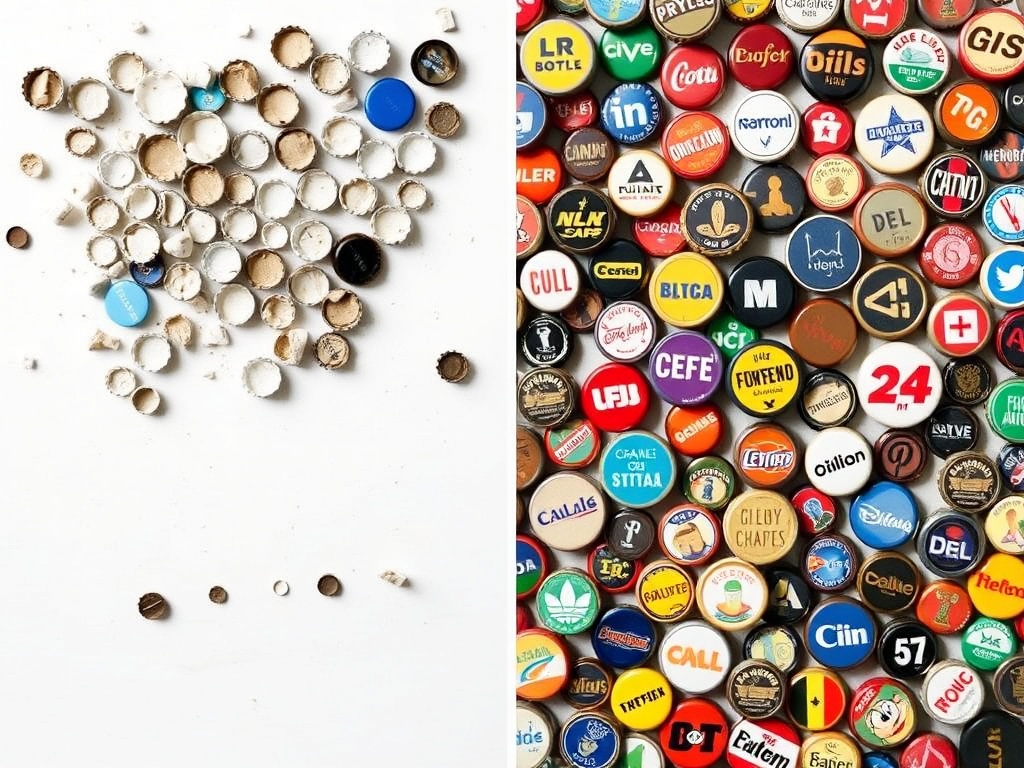
Good collections aren’t accidents. They’re built by people who edit ruthlessly, store carefully, and learn constantly. Avoid these mistakes, and you’ll skip years of frustration.