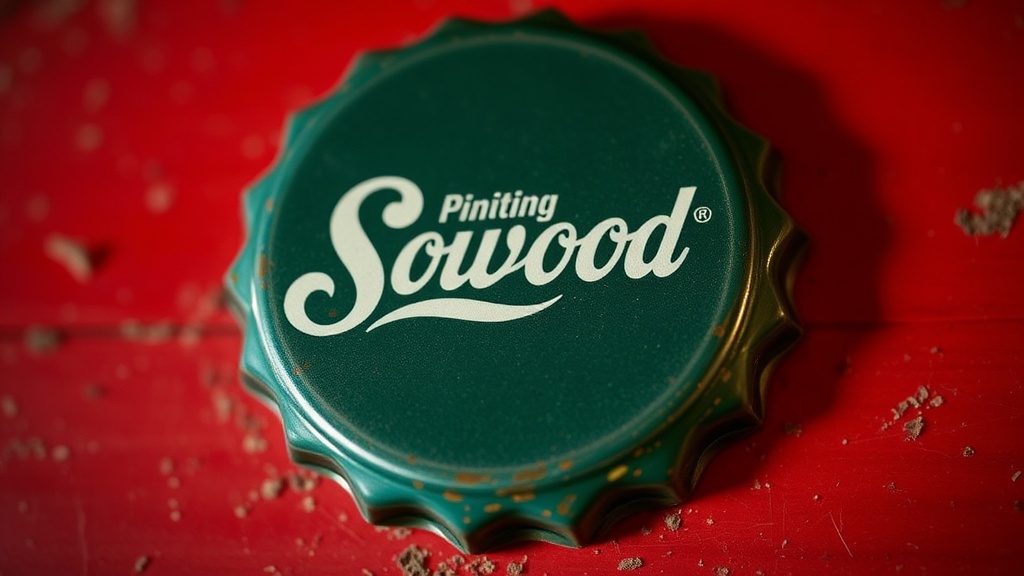
11 Checks Before You Trade for a Vintage Soda Bottle Cap

You'll learn how to judge age, condition, scarcity, and swap value before you trade for a vintage soda bottle cap. That matters because one rushed trade can leave you with a cleaned-up common piece that only looked scarce in low light, while a careful five-minute inspection can uncover a regional cap you'll rarely see again. The best traders don't rely on hype. They look for physical clues, ask for the right photos, and price a cap according to what it is now—not what it might have been fifty years ago.
This checklist is built for soda caps rather than brewery crowns, because soft drink regionalism creates a different market. Small bottlers, short promotional runs, and local label changes can make two similar caps trade very differently. If you're working a show table, a Facebook lot, or a one-for-one swap with another collector, these are the eleven checks worth making before you say yes.
1. What does the crimp tell you before anything else?
Start with the teeth. A cap with even crimp points, light flattening, and consistent circumference usually aged honestly on a bottle or in storage. A cap with sharp bends on one side and stretched metal on the other may have been pried off badly, reshaped, or pressed flatter to hide wear. I always rotate the cap at eye level, because side lighting exposes waves you won't notice in a straight-on photo. If the crimp is tired but consistent, that's normal. If it's irregular in a way that doesn't match normal opening damage, treat the rest of the listing with suspicion.
2. Is the paint sitting on top, or has it aged into the metal?
Original surface wear has a soft look. The print sinks into the cap's tiny scratches, and worn areas usually feather out rather than stop in hard blocks. Repainted or heavily retouched caps often show color that looks too fresh for the surrounding metal, especially around logos and borders. Ask for close photos under neutral light—not heavy phone filters. When color appears brighter only in the center of the design, that's often a warning. Honest aging usually affects exposed areas unevenly, but it still feels coherent from edge to edge.
3. Does the underside match the seller's date claim?
The underside is where a trade gets real. If someone dates a cap to the early crown-cork era, the liner, oxidation pattern, and overall construction should support that story. William Painter's crown cork invention dates to 1892, as Crown notes in its official company history, but later decades brought clear changes in liners, coatings, and printing quality. You don't need to memorize every material shift. You do need to compare the seller's claim with the underside photo. No underside photo, no serious trade. That's a rule worth keeping because the top can flatter a cap, while the underside usually tells the truth fast.
4. Are edge bites from opening, or from rough removal later?
Some edge damage is perfectly acceptable, especially on caps that were actually used and then kept in jars, drawers, or tackle boxes. The question is whether the damage fits normal opening action. Natural removal marks tend to cluster where a tool first caught the lip. Later abuse looks more random—thumb-squeezed dents, stacked pressure, or post-collection scratching from loose storage. If the metal is torn and the paint loss looks newer than the rest of the cap, that's not attractive character. That's later damage, and it should lower the trade value even when the graphic is still appealing.
5. Which beverage was this cap actually sealing?
Plenty of collectors say soda cap when they really mean any non-beer crown. That blurs value. Root beer, orange, cola, ginger ale, club soda, dairy, medicinal, and house-brand bottlings all pull different audiences. Some buyers chase typography. Some chase local bottlers. Some only want flavors tied to specific brands. Before you trade, confirm the beverage category and the bottler, not just the front logo. A nice generic cola cap may be easier to replace than a modest-looking fruit soda cap from a short-lived regional bottler. Category matters because demand isn't evenly distributed.
6. Do regional bottlers make this cap harder to replace?
Regionality is where soda caps get interesting—and where newer collectors often misread scarcity. A nationally known brand can still have local bottler differences in rim text, city marks, or shade. Meanwhile, a plain cap from a vanished Ottawa Valley or upstate New York bottler can punch well above its visual drama simply because survivors are thin on the ground. Ask where the cap was found, then check whether that bottler operated broadly or within a tight radius. If a cap circulated in one county instead of half a continent, replacement risk goes up, and your trade offer should reflect that.
7. Is this a true color variation or just sun fade?
Collectors love variants, but the hobby is full of caps that only became rare colors after years in a sunny kitchen window. Real variants usually show controlled differences: altered background inks, border changes, printer shifts, or text spacing that repeats across more than one specimen. Sun fade is less disciplined. Reds wash first, dark blues chalk out, and one face of the cap often looks more tired than the rest. If you're unsure, compare protected areas under the crimp and inside the skirt. Museum-style preservation guidance from the National Park Service is a good reminder that light damage is cumulative, and metal plus print surfaces don't all age at the same pace.
8. What does corrosion tell you about storage history?
Not all rust is equal. Fine, dry spotting can be stable and mostly cosmetic. Active flaking, oily residue, or crust building around the crimp tells a different story—one that may keep worsening after the trade. I pay extra attention to the transition from painted top to bare edge, because that's where damp storage often announces itself first. A cap that sat in a basement coffee can for decades might still be collectible, but it shouldn't be valued like a drawer-kept example. Corrosion is really a storage record. Read it that way, and you won't overtrade for surface drama that only gets worse at home.
9. Are you seeing honest scarcity, or just weak documentation?
Some caps feel rare because nobody bothers to photograph them well. Others are rare because almost none survived. Those are not the same thing. Before you attach a premium, look for repeated evidence: old auction results, collector forum references, club newsletters, or known finds from a specific dump or estate. If the only proof of rarity is a seller saying I've never seen another one, slow down. That statement might be true—and still meaningless. A cap can be unfamiliar because it sits outside the mainstream, not because it belongs in the top tier of scarcity.
10. Does provenance come with names, places, and dates?
Old collection isn't provenance. Came from a retired bottler's grandson in Kingston, stored in labeled cigar boxes, acquired with matching local soda labels is getting closer. Good provenance doesn't need a dramatic story, but it does need detail you can test. That matters because packaging ephemera often leaves better paper trails than people expect. Even institutions catalog these objects individually—the Smithsonian's bottle cap records are a useful reminder that small items gain meaning from context. If a trader gives you a story, ask what else came with the cap lot. The supporting material often matters almost as much as the cap itself.
11. How do you price a fair trade when there aren't many comps?
When recent sales are thin, I build value from four things: condition, replaceability, audience size, and confidence in identification. Condition affects every hobby, but replaceability is where bottle caps separate themselves from bigger breweriana. A common cap in near-mint shape can still be easy to find next month. A lightly worn regional cap with strong color and solid provenance may not appear again for years. Audience size matters too. Some soda caps have a small but serious following; others are appreciated mostly by general advertising collectors. If identification is fuzzy—wrong bottler, uncertain era, questionable variant—then the cap doesn't deserve top money yet. In thin markets, the cleanest approach is a trade window instead of a single hard price. If both traders would still feel okay at either end of that window, you're probably in the right zone.
One last rule: if the seller won't show the underside, won't photograph the cap flat and side-on, or keeps repeating rare instead of answering simple questions, leave it on the table and wait for the next cap.