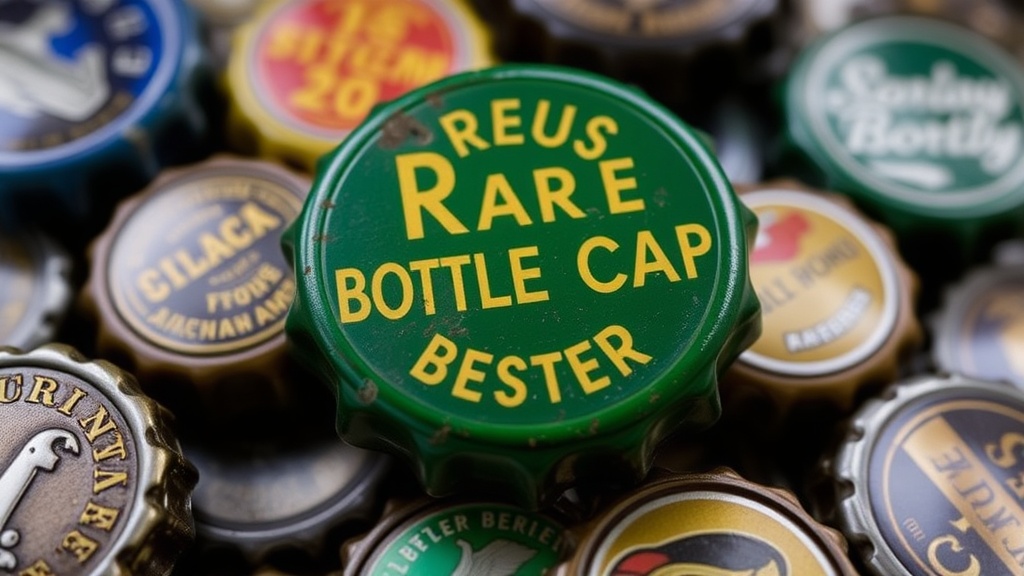
10 Rare Bottle Caps That Could Be Hiding in Your Collection

This post spotlights ten rare bottle caps that might already sit in your collection without you realizing their worth. Whether you've been gathering crowns for decades or recently inherited a shoebox full of vintage tops, knowing what to look for can mean the difference between tossing a $200 piece of aluminum and preserving a genuine collectible. You'll learn which brands, eras, and manufacturing quirks command top dollar from collectors—and what condition factors separate a common find from a true treasure.
What makes a bottle cap rare and valuable?
The short answer: scarcity, age, brand recognition, and condition. A bottle cap becomes valuable when it ticks at least two of those boxes. (Sometimes all four.) Early Coca-Cola cork-lined crowns from the 1930s and 1940s sell for $50 to $300 depending on condition—not because they're old alone, but because Coca-Cola produced countless variations across thousands of bottling plants, and many designs saw limited runs.
The catch? Age doesn't automatically equal value. A 1960s common beer cap from a major brewery like Budweiser might fetch 25 cents. That same decade, a regional root beer cap from a one-plant bottler in rural Kansas can bring $40 or more. Rarity trumps age almost every time.
Condition matters more than most beginners expect. Collectors grade caps on a scale similar to coins: Mint, Near Mint, Excellent, and so on. A cap with no dents, sharp graphics, and clean edges commands double—or triple—the price of the same design with rust spots or a bent skirt.
Worth noting: the material itself tells a story. Pre-1960s caps typically feature cork liners (you'll see the brownish backing), while later versions switched to plastic foam. Cork-lined crowns from major soda brands rank among the most sought-after finds in the hobby today.
Which vintage soda caps are worth the most money?
Early Coca-Cola, Pepsi-Cola, and Dr Pepper cork-lined caps from regional bottlers top the list for soda crown collectors. The Coca-Cola "Christmas" cap from the 1930s—with its red-and-green holiday color scheme—regularly sells for $150 to $400 at auction when found in Excellent condition or better.
Here's the thing about Pepsi. The company's early crown caps featured a script logo that changed subtly across decades. A 1940s Pepsi "Double Dot" cap (the colon between "Pepsi" and "Cola") in Near Mint condition can reach $75 to $150. The variant matters. Some collectors specialize exclusively in Pepsi cap variations, chasing down the dozens of bottler-specific designs issued before the brand standardized its packaging in the 1960s.
Dr Pepper presents similar opportunities. Pre-1960s Dr Pepper cork-lined caps from independent bottlers—particularly those outside Texas—carry significant premiums. A 1950s Dr Pepper cap from a New England bottler recently sold for $120 on eBay, simply because that region had fewer franchised plants and surviving examples remain scarce.
7-Up caps from the "Uncola" era (late 1960s through 1970s) represent a more accessible entry point. While not as old as cork-lined crowns, specific advertising variants—like the psychedelic bubble designs or the "Never Had It, Never Will" slogan caps—trade for $15 to $50 among dedicated collectors. These appeal to nostalgia buyers as much as to hardcore cap specialists.
Are old beer caps from defunct breweries valuable?
Yes—especially pre-1960s examples from breweries that closed during Prohibition or consolidated in the mid-20th century. American breweriana collectors pay substantial premiums for caps representing breweries that no longer exist.
The Brewery Collectibles Club of America maintains extensive reference materials on defunct American and Canadian breweries. Their archives list thousands of closed breweries, many of which issued distinctive crown caps during brief operating windows.
Some standout examples include:
- Pre-Prohibition lager caps — Breweries operating before 1920 often produced ornate lithographed caps featuring elaborate scrollwork and gold accents. Surviving examples from smaller regional brewers can exceed $100.
- Post-Reopening limited runs — Breweries that reopened after 1933 sometimes issued special "Repeal" commemorative caps. These saw short production runs and rank among the most collectible beer crowns.
- Canadian prairie brewery caps — Defunct western Canadian breweries like Calgary Brewing & Malting or early Molson experimental designs attract strong bids at auction. Rory Lindgren regularly spots these at Ottawa estate sales.
That said, not every closed brewery commands high prices. National brands like Schlitz or Pabst issued millions of caps during their peak years. Their common variants remain inexpensive despite the companies' later decline. Focus on regional brands with limited distribution.
How do you identify a rare bottle cap in your collection?
Start by checking the liner material, the brand name, and any bottler-specific markings on the cap's underside or skirt. Cork liners (brown, flaky backing) immediately suggest a pre-1960s origin. Plastic foam liners indicate a later production date, though some transitional foam varieties from the early 1960s carry modest premiums.
Flip the cap over. Many vintage crowns feature small printed codes or city names indicating the bottling plant. A Coca-Cola cap marked "Buffalo, NY" differs from one marked "Memphis, TN"—and collectors track these bottler-specific variants closely. The Crowns of the World database catalogs tens of thousands of these regional variations, making it an indispensable reference for identifying scarce designs.
Here's a quick reference table for spotting the most valuable types:
| Cap Type | Era | Liner | Estimated Value (Near Mint) | What to Look For |
|---|---|---|---|---|
| Coca-Cola regional cork | 1930s–1950s | Cork | $75–$300 | City name on skirt, script logo |
| Pepsi "Double Dot" | 1940s–1950s | Cork | $50–$150 | Colon between words, bottler codes |
| Pre-Prohibition beer | Pre-1920 | Cork | $50–$200+ | Ornate graphics, gold trim |
| Dr Pepper regional | 1940s–1950s | Cork | $40–$120 | Non-Texas bottler markings |
| 7-Up "Uncola" ad caps | Late 1960s–1970s | Foam | $15–$50 | Slogan variants, psychedelic art |
| Canadian defunct brewery | Pre-1960s | Cork | $30–$100 | Labatt early variants, Molson test caps |
The table above covers the broad categories, but individual sales can surprise you. A 1930s Orange Crush cap from a tiny Florida bottler sold for $180 last year—not because Orange Crush itself is rare, but because that specific bottler operated for only eighteen months.
What other rare bottle caps should you watch for?
Beyond soda and beer, several niche categories produce unexpected winners. Milk caps—specifically early 20th-century dairy bottle caps from local creameries—attract a dedicated collector base. A 1920s glass milk bottle cap (the small metal disc that sealed the bottle neck) from a defunct Vermont dairy recently brought $90 at auction.
Mineral water and seltzer caps present another overlooked opportunity. Early seltzer bottles used heavy metal caps with porcelain liners or intricate spring mechanisms. While technically "crowns," these differ from standard soda caps and appeal to both bottle collectors and cap specialists. An intact seltzer cap from a New York City "soda fountain" era bottler can reach $60 to $150.
International caps add another dimension. Canadian collectors actively seek early Molson Canadian test-market caps from the 1950s, while European collectors chase specific German beer crowns featuring town crests or seasonal Oktoberfest designs. If your collection includes caps acquired during travel—or inherited from relatives who immigrated—those international pieces might outvalue domestic finds.
Worth noting: even modern "error" caps occasionally surface and generate buzz. A 1990s Coca-Cola cap with a misprinted logo, or a beer cap missing its color layer, might not reach the heights of a 1930s cork crown—but dedicated error collectors pay $20 to $75 for verified manufacturing mistakes.
Storage matters. Keep rare caps away from humidity (it destroys cork liners) and direct sunlight (it fades lithographed colors). Simple plastic trading card pages work well for flat storage. Avoid glue, tape, or adhesive albums—the residue permanently damages collectible crowns.
Start sorting through that collection today. The rarest pieces often hide in plain sight, disguised as common soda or beer memorabilia until someone checks the liner, reads the skirt, and recognizes the bottler mark. Your next great find might already be sitting in a drawer.